River Tubing with Kids: Essential Swim Skills & Safer Sections
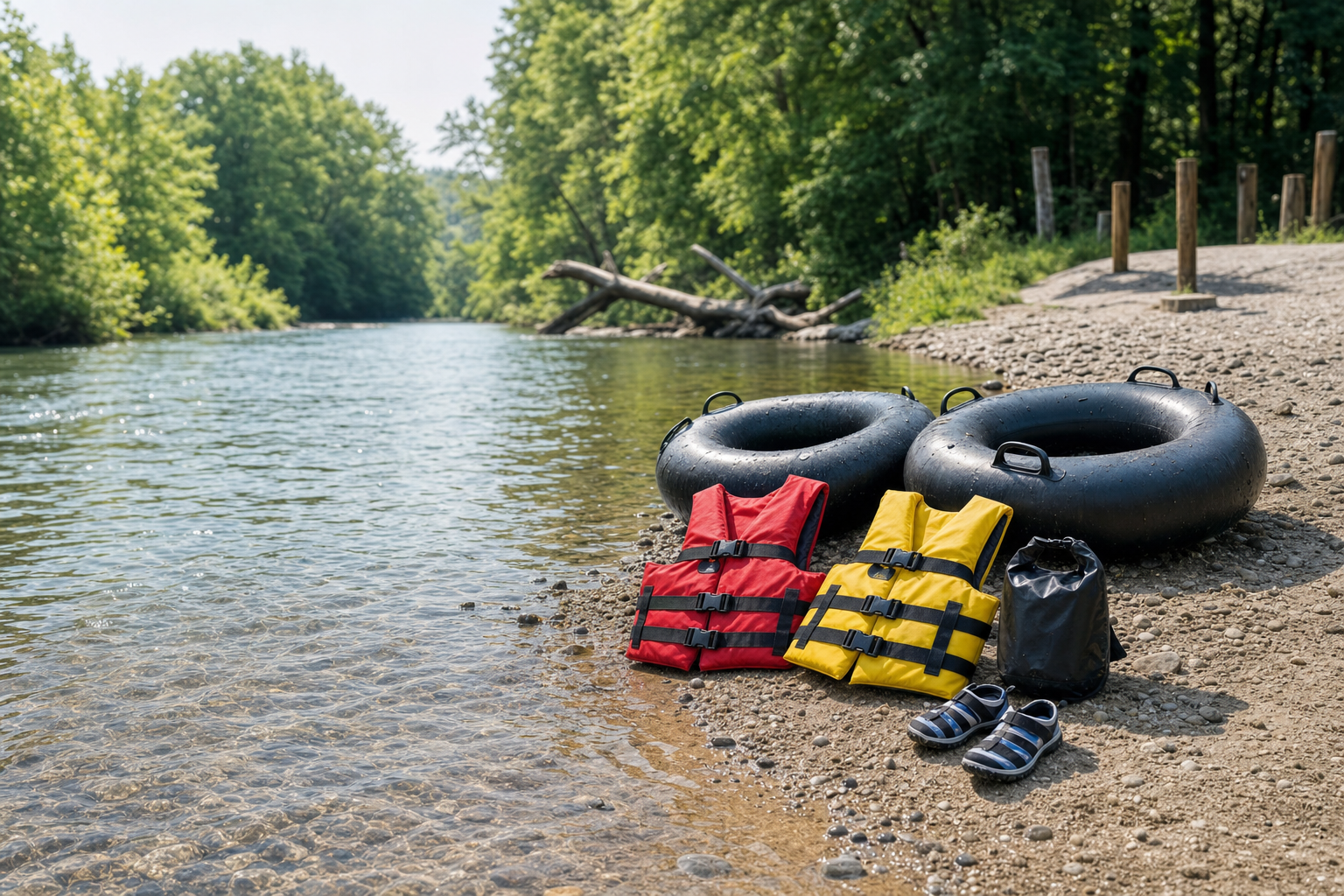
Before you hit the water with your 7–12-year-olds this summer, let’s get straight to what will keep them safe, confident, and smiling—from the moment you launch to the end of the float.
Mandatory Swim Skills Before the Trip
Kids should master three essential swim-skills before tubing on rivers. First: float on their backs and rest. If they ever get tired or cold, the float holds them up without panic. Second: tread water for at least a minute with face above surface. This builds breathing control and endurance when currents tug or waves splatter. Third: short self-rescue swim—if tubing separates from them, they must swim to shore at an angle with feet downstream, not battling the current head on. Prior swimming lessons help; also consider structured plans like the 10-Week Plan from swimy.org, which coaches children step-by-step toward these skills. These aren’t optional, even for kids who can already swim in a pool.
Choosing Rivers That Really Are Gentle
Not every river tramping trail or float is safe enough for kids. Pick water with slow, steady current. Rivers around 2–4 feet deep with sandy or soft riverbeds are ideal. Clear water helps you see rocks, logs, or whatever’s below—great if someone slips or the river bottom shifts after rain. Choose sections classified as Class I or very mild Class II only; avoid steep drops or rapid chutes unless you know how to scout them. Outfitters with good safety histories, reliable shuttles, and families’ reviews are a huge plus.
Life Jacket River Rules: Always On
Every child in a moving river must wear a properly fitted, U.S. Coast Guard-approved life jacket. Strap all the belts, choose versions for their weight and size—no floppy oversize PFDs. Even outside the U.S., recognized safety bodies mandate this gear where current or depth increase risk. Adults should wear them too; kids copy what you do, and you’re responsible in emergencies. Never trust floaties, water wings, or pool toys—they’re not safety devices. Certified life jackets save lives when currents, cold water, or unseen strainers suddenly overwhelm swimmers.
Cold Spots, Strainers & River Hazards to Watch
Rivers hide surprises. Cold water shocks the system: even good swimmers feel numb, coordination drops, and panic kicks in. Always test the water—enter feet first near shore, give your body time to adjust. Heavy overhanging trees, fallen logs, or submerged roots form strainers: water passes through but kids and gear get stuck. Outside river bends, after storms, or below heavy rainfall are typical strainer zones. Look for foam lines or debris caught in brush—cues that a strainer is active. Legal safety guides and river authorities stress the critical nature of recognizing strainers and avoiding them. Scouting from the bank lets you assess hazards before sending younger children through.
[[ctakid]]
If you want a structured way to help your child progress at home, the 10-Week Plan guides you step by step.
Family Rules & Guardian Support
Strong adult supervision is non-negotiable. Guardians should stay within arm’s distance of younger children and never let kids wander too far ahead. Establish recall points along the journey—big trees, bridges, rocks—so the group waits or rests there. Decide on the ratio of adults to kids: one adult per two kids ages 7-8, or one per three if most are older and strong swimmers. Assign roles: who’s watching maps or flow, who’s carrying first aid, who leads in case of detours. Lay down family rules before launch: no alcohol near water, no loose footwear—flip-flops on river bottoms often cause sprains or loss. Treat every river float like a team expedition, not a relaxation gig.
Pre-Trip Swim Test & Emergency Mindset
A few days before your tubing trip, do a swim-test. In a pool or shallow lake, start with a simple swim of 25-50 yards, then roll into a back float for 30-60 seconds, then swim back. Simulate wearing light clothing or a PFD. Practice a strainer-self-rescue drill: feet up, swim downstream through or over a strainer if needed. If kids struggle, postpone more challenging floats or stick to very calm stretches this time. Build confidence before tackling river curves or steady flows.
Seasonality, Timing & Route Options
Summer, especially holiday weekends, gives you warm air but often variable river flow. After heavy rain or snowmelt upstream, currents speed up dramatically without warning. Mid-morning launches give cooler water time to warm; afternoons often bring sun glare and sometimes more flow. Plan trip lengths that match kids’ stamina: 1–2 hours max for ages 7-8, maybe 3-4 for 10-12 year-olds. Always have exit points mapped every 20-30 minutes of float—places where you can get out if conditions change. Go when river gauges show safe levels, check local ranger or outfitter reports.
What Parents Should Never Underestimate
Rip currents in sections you think are calm, cold-water shock that reduces swim strength fast, gear failures, or loss of foothold when walking tubes through shallow waters. Keep shoes that grip, bring spare straps. Don’t rely on lifeguards unless posted; many river sections have none. Alcohol: even one drink near water clouds judgement and response time.
Parents who plan ahead—with swim skills, life jackets “always-on,” scouting for strainers and cold spots, and clear family rules—set up summer tubing trips kids remember for fun, not fear. With guardian support, safe sections, and pre-trip swim tests, everyone floats home safe and happy.
120+ swimming exercises sorted by age — with video and instructions. Developed by swim instructors, completely free.

120+ swimming exercises sorted by age — with video and instructions. Developed by swim instructors, completely free.