Safe Breath Games: Build Exhale Control Without Long Breath-Holds
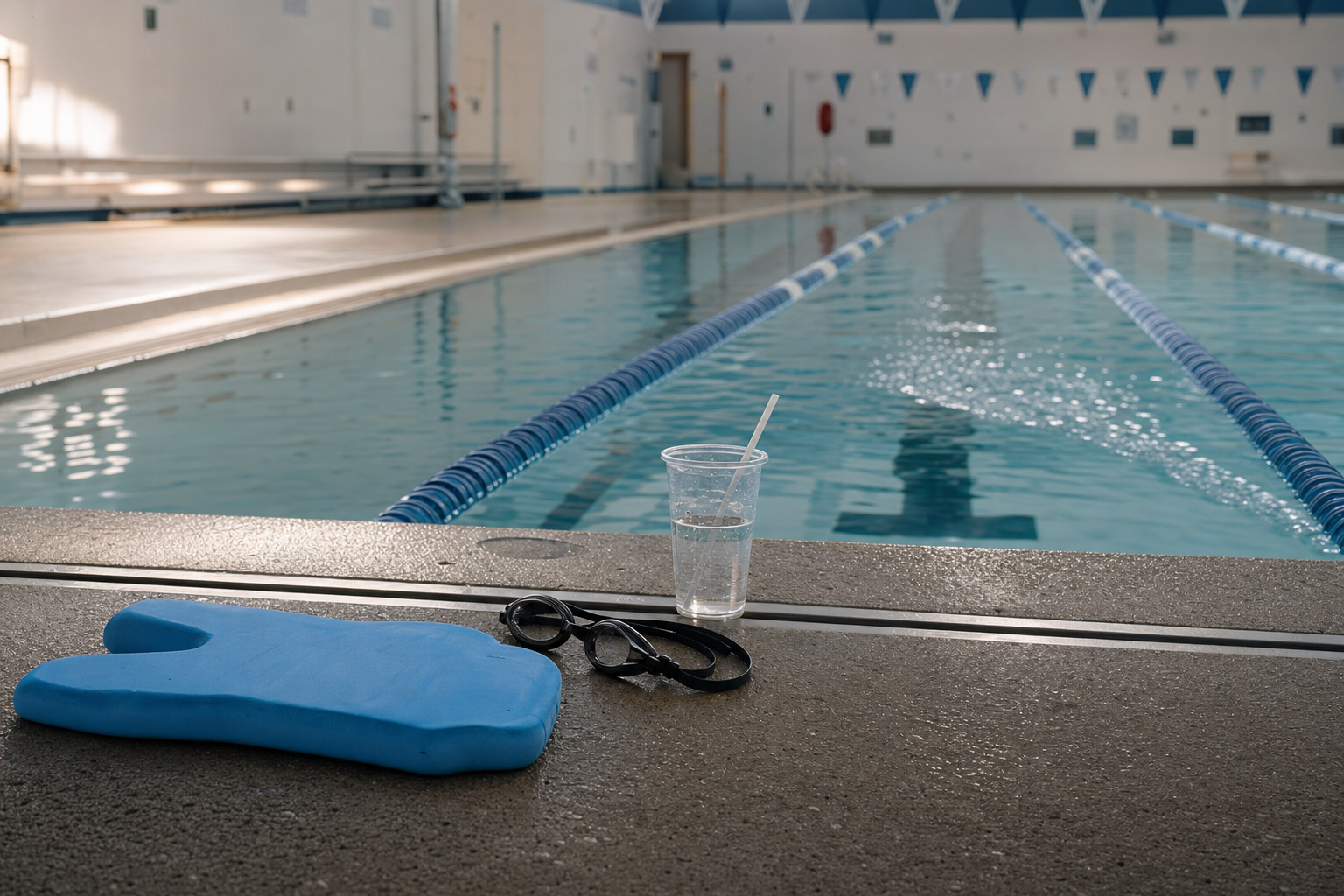
Every parent wants their child to swim freestyle and backstroke smoothly, to swim without panic, gasping, or rushing. The secret is not forcing long breath-holds underwater. The key is safe breath control games that teach calm exhalation and a steady rhythm while swimming.
Why exhale control matters more than holding your breath
Exhaling continuously under water helps kids feel comfortable, control rhythms, and avoid holding their breath—or worse, entering dangerous territory that adults may underestimate. The joint statement from American Red Cross, USA Swimming, and YMCA clearly warns against extended breath-holding underwater and contests about who can swim or submerge longer. These practices risk hypoxic blackout, a sudden loss of consciousness caused by insufficient oxygen in the brain. (redcross.org) Medical literature shows that hyperventilation before diving and trying to outlast others without breathing leads to shallow-water or hypoxic blackout—even in experienced swimmers. (ncbi.nlm.nih.gov)
So for kids aged 3-10, breath-control games should focus on learning to exhale slowly, not holding breath underwater.
Games that build safe breath control
These fun surface-based and rhythmic patterns teach calm exhalation, build steady breathing, and improve freestyle and backstroke naturally.
Surface-based bubble races
Ask children to just let their face touch the surface and blow bubbles across the water, racing gently from one marker to another while staying on the surface. They don’t submerge, they just exhale into the water creating a trail of bubbles. This builds control without underwater competitions or dangerous breath-holding. Mermaid Swim Academy calls constant bubbles underwater as the first step in Learn-to-Swim lessons to make breathing feel normal. (mermaidswim.com.au)
“Sip-and-blow” with cups
At bath time or poolside, give a small paper or plastic cup partly filled with water. Have kids “sip” water into their mouths with no submersion, then exhale out through the nose or mouth into the cup to blow bubbles. It feels silly, it teaches exhale control, and develops lung awareness. Health services explain using straws and cups for breathing games to improve control without risk. (library.sheffieldchildrens.nhs.uk)
Rhythmic 1-2-3-breathe patterns in swimming
When children swim freestyle, work with simple patterns like swim one stroke, swim two strokes, then take a breath. Every three strokes they breathe. Over time, as confidence and skill grow, experiment with breathing every two strokes or alternating sides. This teaches rhythmic breathing, helps in freestyle, and keeps backstroke flowing easily because your head stays out of the water. (shapland.com.au)
How these games help freestyle and backstroke
When kids master bubbles, rhythmic patterns, and exhale-first breathing, they gain smoother strokes. For freestyle, exhaling while the face is submerged means fewer rushed gasps, fewer disruptions in body rotation, less lifting of the head. For backstroke, since the face stays above water, breathing becomes second nature—steady, calm inhalations and exhalations with the body kept flat and hips high. Exhale control helps maintain body alignment and speed. Common mistakes like head up or uneven strokes often trace back to missing exhale control. (waterwisekids.com)
These games align with structured swim-school plans too. For instance, swimy.org offers a 10-Week Plan that includes breath control games and drills interwoven with stroke work and fun games, so kids build skills progressively without ever being pressured into underwater breath-holding. This plan gives parents a roadmap that respects safety and skill. (You can view the 10-Week Plan here: https://www.swimy.org/10-week-plan.)
[[ctakid]]
What parents and swim teachers must avoid and how to cue safe fun
You might feel tempted to turn games into contests: who can go longest without breathing, who can retrieve toys underwater fastest, etc. Don’t do that. The Red Cross/USA Swimming joint statement explicitly forbids competitions or challenges about who can hold their breath the longest or swim underwater the farthest. These are dangerous behaviors linked to hypoxic blackout. (usaswimming.org) Never let a child feel ashamed if they can’t keep up in a breath-hold game.
Instead, cue safe fun with calm, encouraging words. Say things like “exhale softly,” “keep bubbles steady,” “relax shoulders and blow gently,” “breathe when your lungs feel empty.” Reward consistency in exhalation and rhythm, not duration underwater. Use games where getting to the float or touching a toy involves breathing safely every few strokes, not holding in.
Watch for signs of distress: turning pale, panicked face, struggling body position. At that point, stop immediately and return to surface exhale games. Always have adult supervision close by.
Expert safety notes
Hypoxic blackout aka shallow-water blackout is not just folklore. The term “hypoxic blackout” is now used precisely by USA Swimming, American Red Cross, and the YMCA to describe what happens when extended breath-holding or hyperventilation causes dangerous low oxygen levels. (redcross.org) Medical reviews show that unconsciousness can occur underwater with little warning. (ncbi.nlm.nih.gov) Always teach children what breathing signals the body gives, how to respond to them, and why exhaling underwater helps avoid emergencies.
Bringing it all together
A parent once told me their eight-year-old had been struggling with freestyle because she always raised her head to inhale. We stopped holding breath drills and instead played “bubble tag” games at the surface. Soon her breathing became balanced and she glided better. Her backstroke improved too, because she stayed relaxed on her back and trusted her breathing rhythm.
Safe breath control games—surface bubble races, sip-and-blow cup games, rhythmic 1-2-3 breathing—give children aged 3-10 the chance to learn calm exhalation and rhythm without risk. When parents and coaches avoid turning games into contests, always stay honest about limits, and reward breathing smoothly rather than holding tightly, kids grow confident, safe, and smooth in freestyle and backstroke. Swimming breathing for kids has everything to do with how they exhale and breathe, not how long they can hold in.
120+ swimming exercises sorted by age — with video and instructions. Developed by swim instructors, completely free.

120+ swimming exercises sorted by age — with video and instructions. Developed by swim instructors, completely free.