Saltwater vs Pool: Buoyancy Basics Kids Can Use
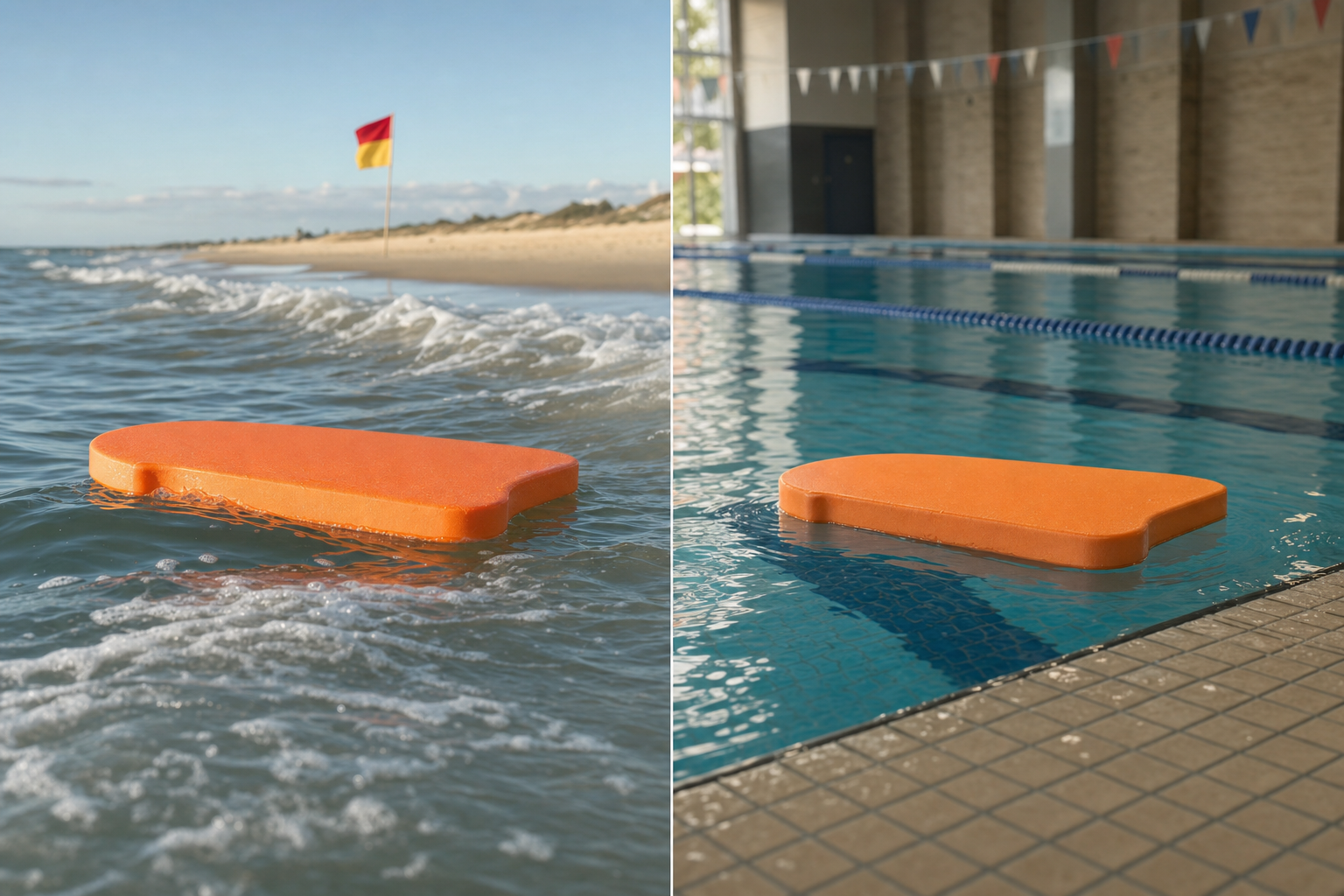
If your child has ever said, “It’s so much easier to stay up in the ocean than in the pool!”, they aren’t imagining things. They’re feeling the science at work. Understanding why float easier in saltwater compared to freshwater—and how things like waves, chop, and currents change the experience—can help children aged 5–12 not only swim better but also feel safer and more confident when transferring pool skills to the ocean. Let’s jump in.
Why Kids (and Adults) Float More Easily in Saltwater
Bodies float in water due to buoyant force, which comes from how much water the body displaces. According to Archimedes’ Principle, the water pushes back with a force equal to the weight of what’s pushed aside. With more dense water, that push is stronger. Freshwater (like that in pools) has lower density, while saltwater—full of dissolved salt—packs more mass into the same volume. That makes ocean water heavier per scoop and gives a stronger upward force. Simply put, saltwater gives a bigger lift. This means kids won’t need to kick or paddle quite as hard to stay afloat compared to a pool. (scienceinsights.org)
Other factors matter, too. The amount of air in the lungs, body fat percentage, even posture in the water affect how easily a child floats. Someone with more air in their lungs or a bit more body fat floats more easily than someone lean or with lungs only partly full. Saltwater helps many kids feel buoyant, but these personal traits still influence how much of the body stays above or below the surface. (ncbi.nlm.nih.gov)
Waves, Chop, and Currents: What Kids Actually Feel
Saltwater isn’t always calm. Kids used to the flat, still water of a pool may be surprised by what happens in the surf. Waves, chop, and currents shift buoyancy and the way floating or treading water feels.
Waves pull at your body in all directions. When a wave crest lifts you, you might drift up; in a trough, you sink more deeply. This constant up-and-down motion can make floating or swimming feel uneven. Chop-the little peaks and dips—can spray water into your face and throw off body position. Currents, especially cross-shore ones or rip currents, drag you sideways or out to sea. Saltwater makes floating easier, but those forces still act, so kids need good skills.
Currents sometimes move faster than kids can swim. Even a strong swimmer can get tired fighting one going directly against them. That’s why knowing how to float or tread water calmly, signal for help, or swim parallel to shore is essential safety knowledge near surf. (ncseagrant.ncsu.edu)
If you want a structured way to help your child progress at home, the 10-Week Plan guides you step by step.
From Pool to Ocean: Adjusting Expectations
Kids learn a lot in 25-meter pools: breathing, streamline, flip turns, back floats, kicking. But ocean swimming demands tweaks. Because water is denser, they’ll float higher—and that’s good—but the changing conditions mean they’ll need to adapt.
[[ctakid]]
For example, in the pool, the water is still and warm. In the ocean, a chilly temperature and swell may cause more body sinking between breaths. In the pool, you learn to push off the wall strong; in the surf, you’ll frequently duck under waves or let waves pass over you. Skills like floating on the back while relaxing, and breathing in slowly to maximize lung volume, become more important than power. Tools like the 10-Week Plan from swimy.org can help kids build these core skills in a gradual, consistent way so that when they hit the surf, they are more prepared to handle shifting buoyancy and waves naturally. (eathealthy365.com)
Safety First: What Ocean Floating Doesn’t Mean
Just because the ocean allows easier floating doesn’t mean it’s always easy or safe. One major hazard is rip currents, strong streams of water flowing away from shore. Every year, rip currents lead to many beach rescues and some tragic accidents. (oceanservice.noaa.gov)
Another safety factor: flag warnings and lifeguards. Beaches often use colored flags to mark safe or dangerous conditions. Learning what those flags mean—whether water is safe, whether waves are breaking big, whether currents are strong—is crucial. And even if a child floats easily in saltwater, those same currents can still pull them into deeper water. Calm floating does not fix underlying hazards. (nhc.noaa.gov)
Tips for Parents and Kids: Using Saltwater’s Buoyancy Wisely
When heading from the pool to the beach, here are some things to try together:
Start in small, shallow waves so kids can sense buoyancy, splash, and counters to waves. Let them find a stable floating posture—arms out wide, head back, breathe deeply. Teach them to scan for currents visually (look for gaps in waves, foam moving out to sea), and to always swim between lifeguards or where flags mark “safe”. Encourage practicing floating in pool until calm—it transfers well when water moves. Lastly, never assume easier float means easier swim: teach them to feel fatigue, know when to rest, know emergency signals.
Conclusion
So when your young swimmer paddles into saltwater and discovers they float more easily, it’s thanks to density boosting buoyant force. That gives them an advantage, but it’s only part of the picture. Waves, chop, and rip currents shift the way floating feels and what skills are needed. With solid pool basics, an understanding of how saltwater vs freshwater buoyancy works, and a strong dose of ocean safety education—rip currents, flags, spotting hazards—kids can transfer confidence made in the pool into real, safe joy in the surf. And when parents and children understand that, the water becomes a classroom of fun instead of a source of worry.
120+ swimming exercises sorted by age — with video and instructions. Developed by swim instructors, completely free.

120+ swimming exercises sorted by age — with video and instructions. Developed by swim instructors, completely free.