Scooping Arms Before Real Strokes: Gentle Ways to Introduce Arm Movement for Babies and Toddlers
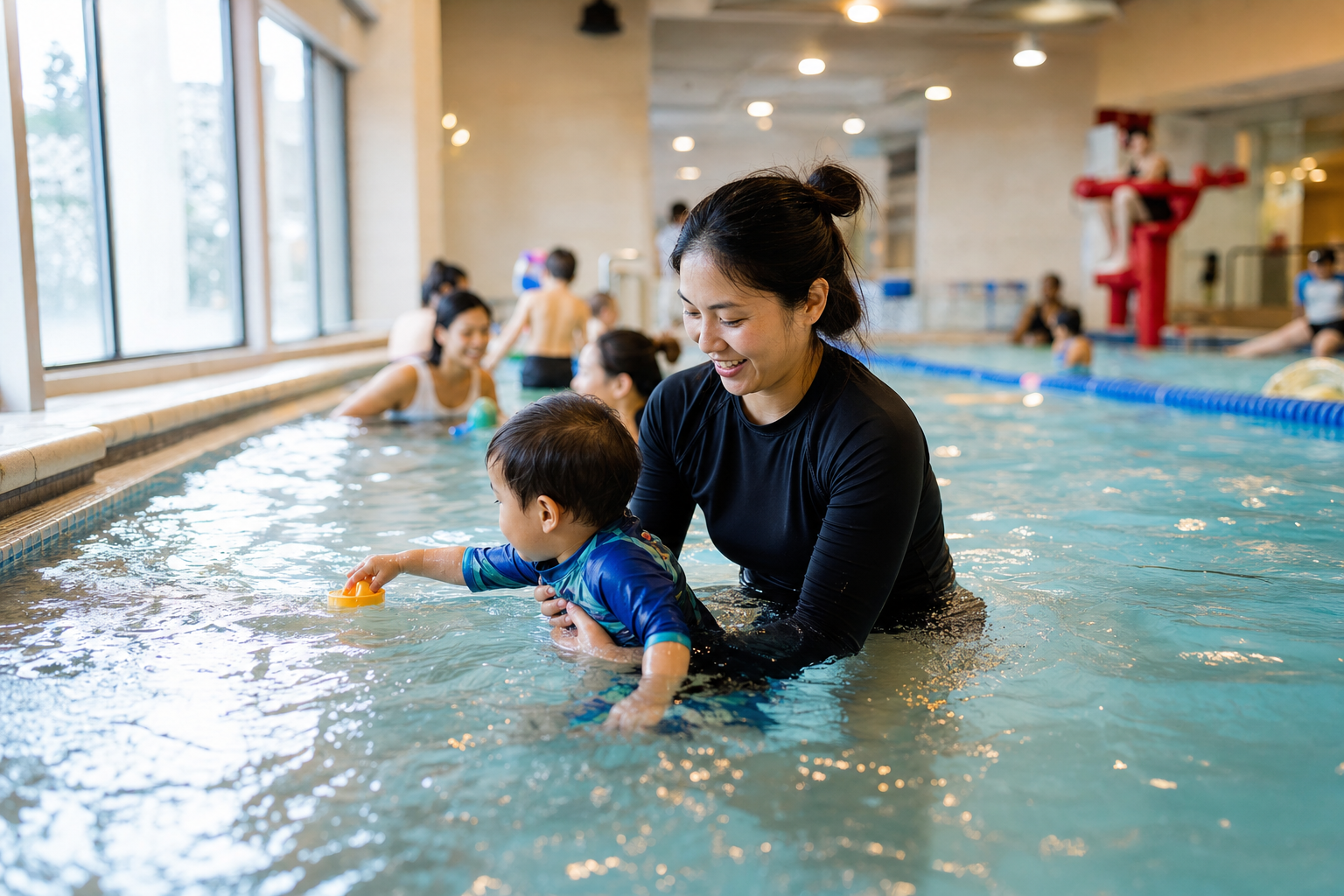
Right away, let’s clear up a common misunderstanding. “Baby swim arm movements” and “toddler swim exercises” don’t mean pushing little ones into full strokes like freestyle long before they’re ready. Instead, these are playful, supported ways to build coordination, reach, and water confidence when children are between about 9 and 36 months. They’re not drills—they’re gentle introductions to arm movement in the water that benefit both child and parent.
Below are age-appropriate ways to foster early arm motion safely, ideas you'll want to try, and pitfalls to avoid when you’re supporting your baby’s water journey.
Why Scooping Arms Gently Matters Now
Between about 9 and 36 months, children go through rapid motor development. Simple things like fluttering arms or reaching out to grasp floating toys aren’t random—they teach balance, spatial awareness, and how to coordinate arms and eyes. A recent study showed that infants who participate in structured aquatic activities fare better in motor and neuromotor development in comparison to peers who don’t, especially if the exercises include playful movement and reach in supported positions. (frontiersin.org)
Also, when young children get early but gentle water exposure, they tend to develop confidence around water more easily. That reduces fear, makes future learning smoother, and lays strong foundations for later swimming skills. (boystownhospital.org)
How to Introduce Arm Moves Safely (9–36 Months)
For Babies (around 9–18 months): Reach, Splash, Explore
Support under the arms or chest helps babies feel secure while their arms are free to explore. Play games with floating toys just out of reach to encourage them to stretch or scoop forward. Let them bat at objects skimming the water’s surface. Practising side-to-side or midline reaches helps too. These aren’t formal strokes—they’re simple arm motions that help build muscle memory and coordination without forcing form. Research shows that such spontaneous movements help infants develop control early on. (pubmed.ncbi.nlm.nih.gov)
Also keep sessions short—10 to 30 minutes depending on the child’s energy level. Warm water helps muscles relax, making gentle scooping or reaching more comfortable. Healthy Children (AAP) recommends parent-child water time that doesn’t overwhelm babies, but rather involves gradual exposure with strong support and comfort. (healthychildren.org)
If you want a structured way to build water confidence at home, the 10-Week Plan guides you step by step.
For Toddlers (about 18–36 months): Reach + Motivate + Move
Toddlers can usually sit, stand, or move through shallow water with help. At this stage you can introduce light resistance: holding their shoulders so they try scooping water toward their feet or using splash toys to pull water toward them. Floating supports or foam noodles can be used under the chest to help with gliding and encourage arm strokes—but always with you holding or guiding.
[[ctababy]]
One great tool that’s been designed for progressive introduction of various swim readiness and arm movement skills is the “10-Week Plan” by SwimY. This plan uses safe, playful drills each week that build reaching, scooping motions, and confidence without imitating full freestyle strokes. (See week-by-week activity ideas, object reach, supported glides, etc.)
It’s also helpful to name movements in language toddlers understand—“reach like we want to grab that toy,” or “scoop like we’re pulling a bucket through water.” This supports not just physical coordination but verbal and emotional connection. Personal experience: I’ve seen toddlers light up when they “catch” a toy just after a playful reach—that joy reinforces arm motion more than strict technique ever could.
What Early Arm Practice Should Not Mean
Don’t pressure babies or toddlers into copying older-child stroke drills. Not only is that developmentally premature, it can lead to frustration, resistance, or even safety risks. Movements like long freestyle arms or breath-stroke breathing alignments are meant for children older than 3–4 years typically. (illinoisearlylearning.org)
Avoid the idea that arm practice without legs or breathing equals “swimming.” Scooping or pushing water can feel like part of a stroke, but when done softly and with support, it’s about exploration, not performance. Also, never use toys or support gear (like floaties) as substitutes for adult touch supervision. You should always be within arm’s reach of your child in the water. (healthychildren.org)
How to Make These Activities Part of Your Routine
Choose daily moments: bath time, warm kiddie pool, or shallow play area. For babies, hold them securely while letting their arms move freely through water or toward floating objects. For toddlers, turn reaching into games—toss a toy, count together, splash toward parents or siblings, offer praise. Be consistent but gentle.
Always check water temperature, keep sessions short, and read your child’s cues. If they seem tired or upset, it’s okay to stop. Build in warm rinse and comfort—dry off, wrap up, cuddle, and talk about how brave they were.
Final Thoughts on Building Reach, Coordination, and Confidence
Scooping arms before real strokes is about giving children chance to explore, build coordination, and grow confident—not about teaching freestyle at age one. Begin with safe supports, motivating play, and age-appropriate reach-and-scoop actions. Avoid copying stroke drills unsuited to their development.
With patience, support, and playful consistency, babies and toddlers will layer their skills naturally. By the time real strokes are introduced, they’ll have strong foundations in coordination, reach, and how to move their arms in water with trust and joy. Keep it fun, keep it supportive, and always keep safety first.
If you’re curious about detailed weekly activity ideas that gradually build these early arm or “baby swim arm movements”, the 10-Week Plan from SwimY offers a gentle, structured path parents can follow to help toddlers gain arm coordination and feel confident in the water.
120+ swimming exercises sorted by age — with video and instructions. Developed by swim instructors, completely free.

120+ swimming exercises sorted by age — with video and instructions. Developed by swim instructors, completely free.