The Second-Lesson Slump: Why Babies & Toddlers Cry After Their First Swim Class and How to Help
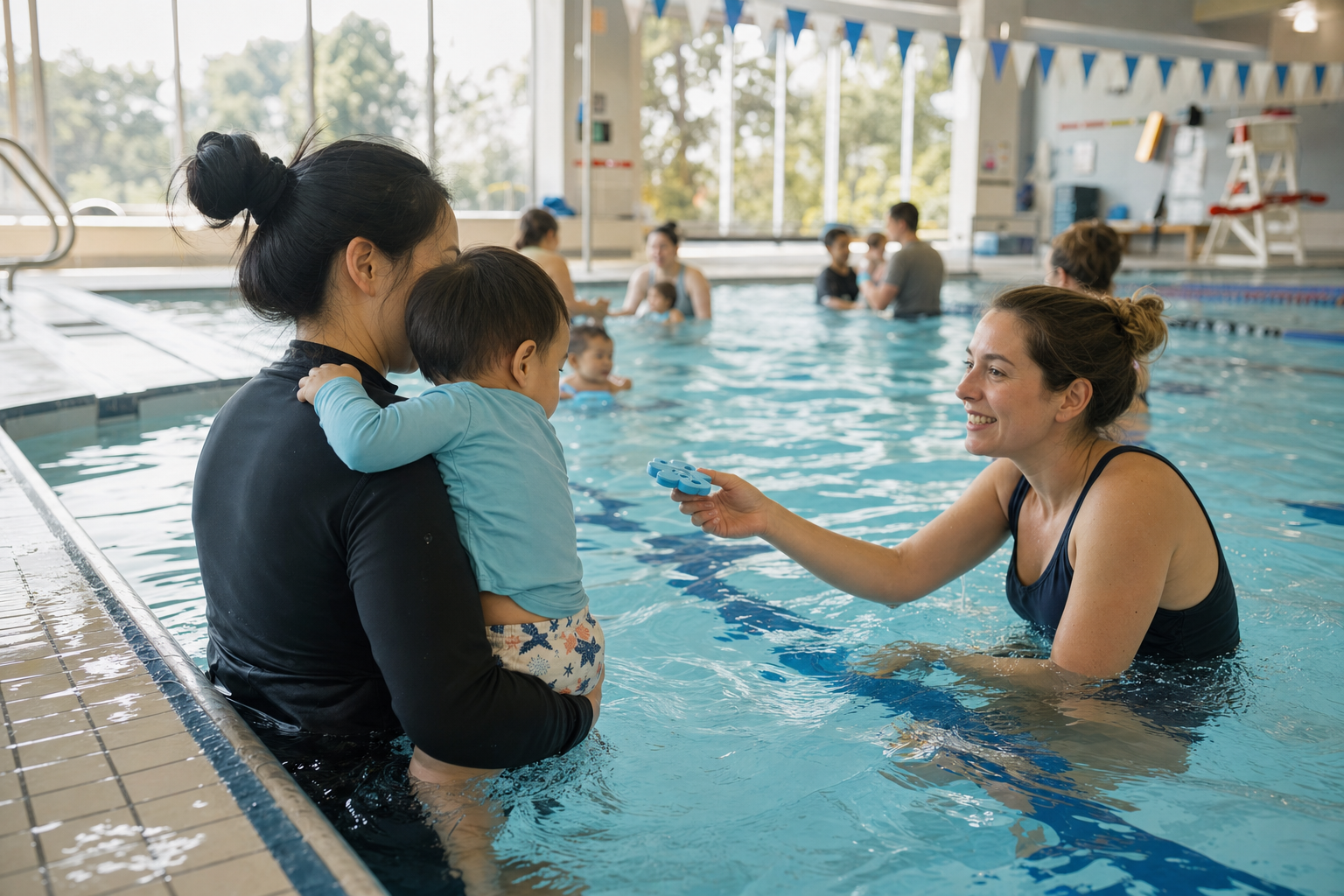
You’ve nailed lesson one—your baby was happy, splashing, maybe even thrilled by the new routine. But then lesson two arrives, and suddenly they cry, resist, maybe refuse the pool. If this sounds familiar, you're not alone. Many parents of 6- to 36-month-olds see swim lesson regression toddler style pop up right when routines kick in. This article dives into the why, shows you how to tell tiredness from distress, and gives you a two-week plan to help your little one feel safe and confident—all without skipping safety boundaries.
Why Lesson Two Hits Harder Than the First
Lesson one is novel. Pools are full of colors, sounds, and surprises: a game, an instructor, maybe a parent in the water. Babies get energy from that novelty. Then comes lesson two, and they realize the routine is coming back. New routines mean expectations—dunking, blowing bubbles, letting go briefly. That shift forces them to notice discomfort. According to Swim Carolinas, many toddlers cry initially because a routine feels unfamiliar or because they miss the comfort of a parent when things change.(swimcarolinas.org) During these early lessons, physical fatigue also kicks in: tiny muscles are working hard, balance is challenged, water temp feels different, maybe ears fill a little. All that adds up.
So when your baby cries in lesson two, it’s not unusual. It’s part of adjustment. But there’s a difference between being tired/fearful and being truly distressed—and that distinction matters for safety and trust.
Tiredness vs. Distress: How to Tell the Difference
When your baby cried second swim lesson, you likely wondered: is it just exhaustion or something more serious? Use these markers:
- Signs of tiredness: Droopy eyelids, yawning, losing focus mid-lesson, resisting entry but chatting or playing gets easier. After the lesson, restores with rest or snack.
- Signs of distress: Panic before entering the water, coughing or discomfort with submersion, forced submersion, gasping, trembles, symptoms like persistent cough or unusual fatigue that last beyond the end of class. These require pauses or conversation with the instructor. The HealthyChildren.org guidelines and the USSSA Infant-Toddler Guidelines emphasize that forced submersions or underwater time beyond comfort signals serious concern.(healthychildren.org)
If you see signs of distress, it’s not a failure—it's a safety cue. Talk to your instructor, reduce submersion or intensity, consider breaking lessons into smaller steps.
What Parents & Instructors Agree: What’s Normal & What Helps
Parent forums are full of stories about toddlers suddenly hating swim lessons. One theme: after the first few lessons, many kids show improved comfort. Swim Kids Utah notices emotional resistance often peaks between the 3rd and 5th lesson.(swimkidsutah.com) Others report that kids cried a lot early, then “by the end of week 2” things mellow.(reddit.com) Parents also say clear, reliable routines help: arrive early, consistent warm-ups, same instructor if possible, familiar items like a towel or toy. All of this builds trust. Programs that follow guidelines like those from USSSA and HealthyChildren.org focus on positive reinforcement, gradual submersion, and letting readiness guide progress.(usswimschools.org)
If you want a structured way to build water confidence at home, the 10-Week Plan guides you step by step.
[[ctababy]]
Your Two-Week Adjustment Plan: From Tears to Confidence
Here’s a structured plan you can follow over about two weeks (4–6 lessons depending on your schedule) to help smooth out that second-lesson slump. It keeps safety first and builds trust gradually.
| Day | What to Do | |---|---| | Lesson 1 | Go slowly. Emphasize water adjustment: walking in shallow end, splash play, pouring water over hands and face. No forced submersions. Celebrate small wins like blowing bubbles or kicking. Let them observe others. | | Lesson 2 | Repeat warm-ups from Lesson 1. Introduce small voluntary submersion only if readiness signs are shown (holding breath, comfort with water on face). Still have familiar caregiver support. | | Lesson 3 | Keep routine identical. Offer choices (“Do you want me to hold you or stand by the ledge?”). Shorten class if signs of tiredness. Use games to distract: singing, toy retrieval, bubbling. | | Midpoint Review | After lesson 3 or 4, pause. Talk to your instructor: what worked, what didn’t. Adjust plan if distress signs are present: maybe drop submersion work temporarily. You might also consult your pediatrician if there’s persistent panic, coughing, or fear. | | Lesson 4 | Now combine what’s felt safe so far. Try gentle submersions only if the child truly seems ready. Praise effort over outcome. Keep interactions positive and predictable. | | Lesson 5-6 | Continue the pattern. By this point you should notice less resistance. If your child is now trying the skills or entering the water with less hesitation, it’s a win. If not, stay on the same steps until you observe progress. | | Optional Boost | Consider pairing with home exposure: bath play, small buckets, or sprinklers. Familiarity with wet faces helps emotional tolerance. |
If you’d like a more structured long-term framework, you might look at something like the 10-Week Plan from Swimy.org, which outlines gradual skill building and exposure across many lessons.(babyswimming.com)
When It’s Time to Pause Permanently (or Speak Up)
Some signs mean you should pause lessons or discuss adjustments: persistent panic before class that doesn’t improve after multiple exposures, coughing or choking when submerged or water in nose, forced submersion or sneaking underwater against your child’s will, dread or dread behavior that continues when class is over. These aren’t just bumps in progress—they could be safety or emotional issues. HealthyChildren.org underlines that safety must never be compromised—you’re aiming to build water competence, not force coping.(healthychildren.org)
Also, if lessons try to push submersions before readiness or if water runs into nose or ears in a way that stresses the child, ask for different methods. Always trust your parent instincts and partner with instructors. You’re part of this process.
Final Thoughts
It’s totally normal for a baby or toddler to cry more in swim lesson two—or even lesson three than lesson one. Novelty fades, expectations rise, and little bodies tire. But by paying attention to tiredness vs. distress, keeping routines stable, giving choices, and following a gentle two-week adjustment plan, you can help your child move through this “second-lesson slump” into rhythm, confidence, and maybe even joy with swim lesson regression toddler situations. With time, many kids go from “toddler suddenly hates swim lessons” to “look, they did the whole skill!” And always remember: safety first, readiness always, and your support means more than any stroke they learn. If you ever feel concerned, pause and speak with the instructor—you both want the same thing: happy, safe swimmers.
120+ swimming exercises sorted by age — with video and instructions. Developed by swim instructors, completely free.

120+ swimming exercises sorted by age — with video and instructions. Developed by swim instructors, completely free.