Vacation Rentals with Ponds: A Family Water-Safety Plan
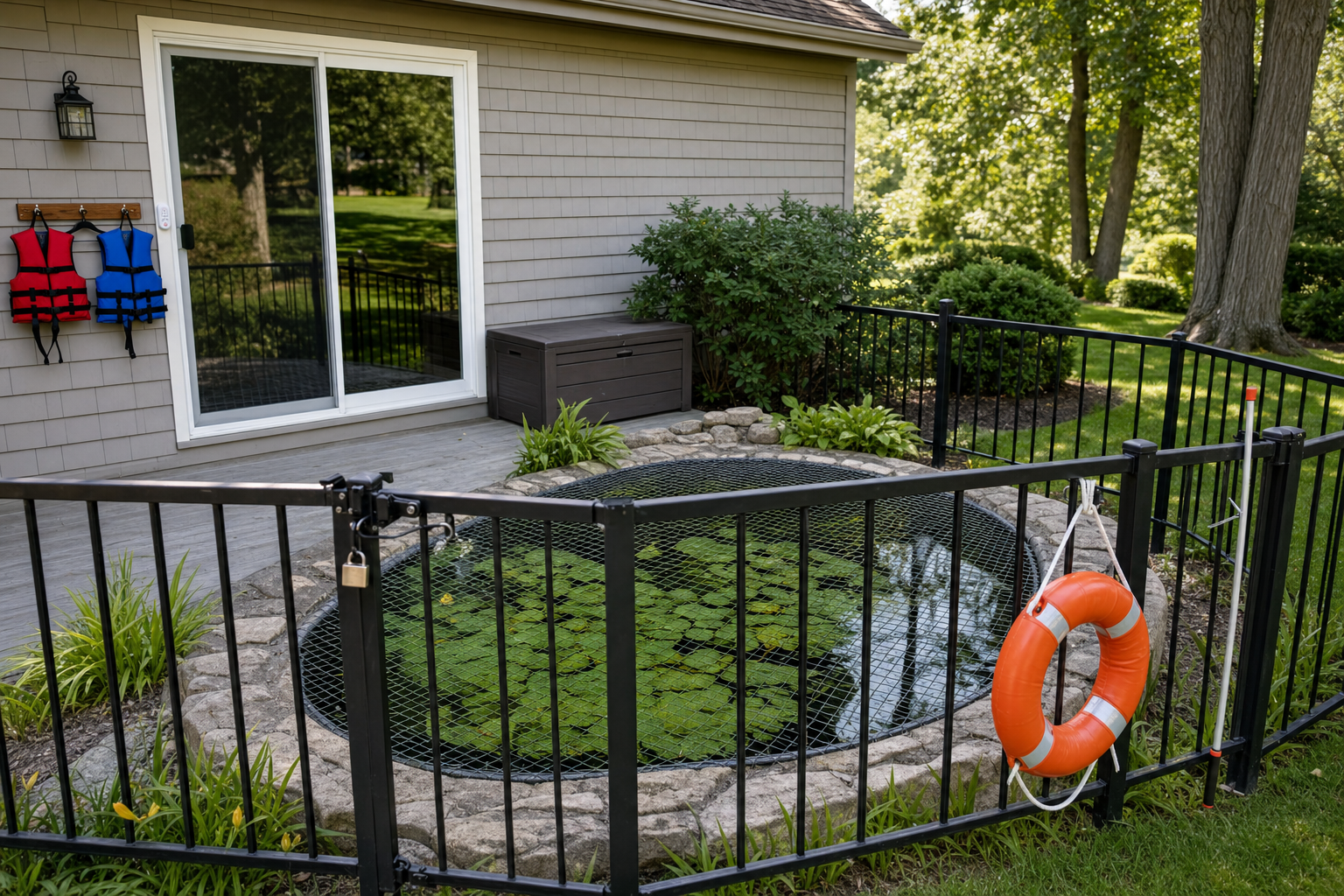
When you’re booking a vacation rental with water features—be it a garden pond, decorative pool, or fountain—you want to be sure the space is safe for curious kids, especially those aged 3-8. What key checks can you do before booking? What barriers and supervision rules should be ready upon arrival? Below are essential actions for parents aiming to reduce unplanned access risk and keep every family holiday safe around water hazards.
Pre-Booking Check: Ask Before You Arrive
The most valuable safety steps happen before you even reserve the property. Ask the host or manager targeted questions: Is the pond fenced? Are gates self-closing and lockable? Is there a cover or rigid grill over the pond? What kind of alarms or sensors are installed for pools and decorative water features? Do any doors or windows from inside the property lead directly into the garden without warnings or barriers? These questions protect children from familiar dangers: shallow water that is still risky, doors left unlocked, or plain sightlines that hide water until too late.
Don’t assume “shallow means safe.” Even a pond only a few inches deep can be life-threatening for a small child who slips in and can’t get out. UK research shows that a large share of child drownings at home occur in ponds and paddling pools, many involving very minimal water depth. Ensuring every water area is properly secured with fencing or covers is not optional—it’s vital. (Royal Life Saving Society UK) (rlss.org.uk)
When reviewing the listing, check photos for barriers, presence of gates, visible alarms, or posted house rules about water safety. Often hosts who value safety will include these details upfront. If the listing is vague, ask directly. Confirming in advance lets you plan what to bring—life jackets, portable alarms, or child-proof locks—if they aren’t already provided.
On Arrival: Barriers, Alarms and Pond Cover Rules
You’ve arrived. Now enforce the physical barriers needed. First, let’s talk structure: all ponds, pools, or water features should be enclosed by a sturdy fence at least four feet high, with self-closing, self-latching gates. Mesh grilles or rigid covers over ponds provide a second layer of protection. Any doors or windows leading to the garden should have alarms or locks. These are practices endorsed by the U.S. Consumer Product Safety Commission (CPSC) and agencies like Safe Kids Worldwide. (safekids.org)
Alarms are helpful but are never enough alone. Pool or pond alarms detect motion or pressure and alert the household, but kids ages 3-8 often move silently. Door sensors and garden gate alarms give an early warning. Pond covers must be load-bearing so a child cannot fall through; flimsy or floating covers are unsafe because children can fall or get trapped under them. (healthychildren.org)
If you want a structured way to help your child progress at home, the 10-Week Plan guides you step by step.
Cover rules matter too. Always close gates, secure covers, lock alarms whenever water is not in use. Remove toys from the water and pool deck when play time ends—floating balls may tempt children to reach or climb for them. Highlighting this in family rules helps avoid “just one minute” accidents.
[[ctakid]]
Supervision & Personal Protection for Kids Exploring the Yard
Even with top notch barriers, nothing replaces close supervision. Assign an adult to be the Water Watcher—someone who gives full attention to kids in or near water. No distractions: phones away, no multitasking, no leaving the area for chores without switching watchers. Especially in spring or summer evenings, when night-time wanderings happen, keep exterior doors locked and lights on. Dark gardens make ponds invisible until it might be too late.
Establish clear boundaries with your children. Define zones: “never cross the fence without me,” “pond is not for play unless I say so.” Use age-appropriate rules: children aged 9-12 can be given more responsibility under supervision (e.g. fetching balls in shallow edges), but still need adult oversight for rescues. Teach children what to do in case they fall in, and practice rescues at home if possible.
Personal Floatation Devices (PFDs) are essential where appropriate. For open water or pond edges where children may slip, a well-fitted PFD approved by standards like the U.S. Coast Guard should be on hand. Don’t rely on armbands, rings or inflatables—they can give a false sense of safety. (cdc.gov)
It helps if children have had swim lessons well before travel. Plans like the “10-Week Plan” of swimy.org can prepare kids physically and mentally for water safety, including learning to swim, understanding water hazards, and practicing rescue basics. Incorporating that kind of training before your family holiday adds another safety layer.
Common Pitfalls to Avoid: Night, Doors, and False Safety
One of the biggest mistakes is assuming locked fences and shallow water guarantee safety. Night-time is especially dangerous. Darkness hides hazards, and kids may wander outdoors through unlocked doors. Doors to patios, gardens or decks should always be locked at dusk, or when the kids are asleep. If glass doors are present, use alarm sensors or a secondary barrier like a child-proof gate.
Another false assumption is trusting that the pond owner has done enough. Before you let your child explore, inspect the barriers yourself. Are there gaps under fences? Can kids reach over with toys or lean over edges? Are there plants or trees close enough to climb? An unlocked window or pet door can be a surprise access point. Hosts might overlook that.
Don’t trust inflatable toys, floaties, swim rings or waders as safety devices. They may help fun but not rescue. In shallow pools or natural water features, life jackets are superior. Also, assuming rescue aids are nearby can be dangerous—bring your own or check the property has them in working order.
Wrapping Up: Safety First, Fun Always
Vacation rental pond safety and awareness of holiday home water hazards are things you plan before and enforce from the moment you arrive. Use secure fences, locked gates, child-proof barriers, alarms, sturdy pond covers and clear rules for all kids, especially ages 3-8 (and reinforced for ages 9-12). Assign water watchers, bring life jackets, and never trust assumed safety in shallow water, unlocked doors, or night shadows.
Enjoy your spring–summer travel knowing you’ve done everything to childproof the water-features in your holiday home. When safety is built in and not left to chance, families can explore, splash, swim and play with confidence.
120+ swimming exercises sorted by age — with video and instructions. Developed by swim instructors, completely free.

120+ swimming exercises sorted by age — with video and instructions. Developed by swim instructors, completely free.