Should Babies Wear Swim Goggles? A Parent’s Guide for Toddlers 18–36 Months
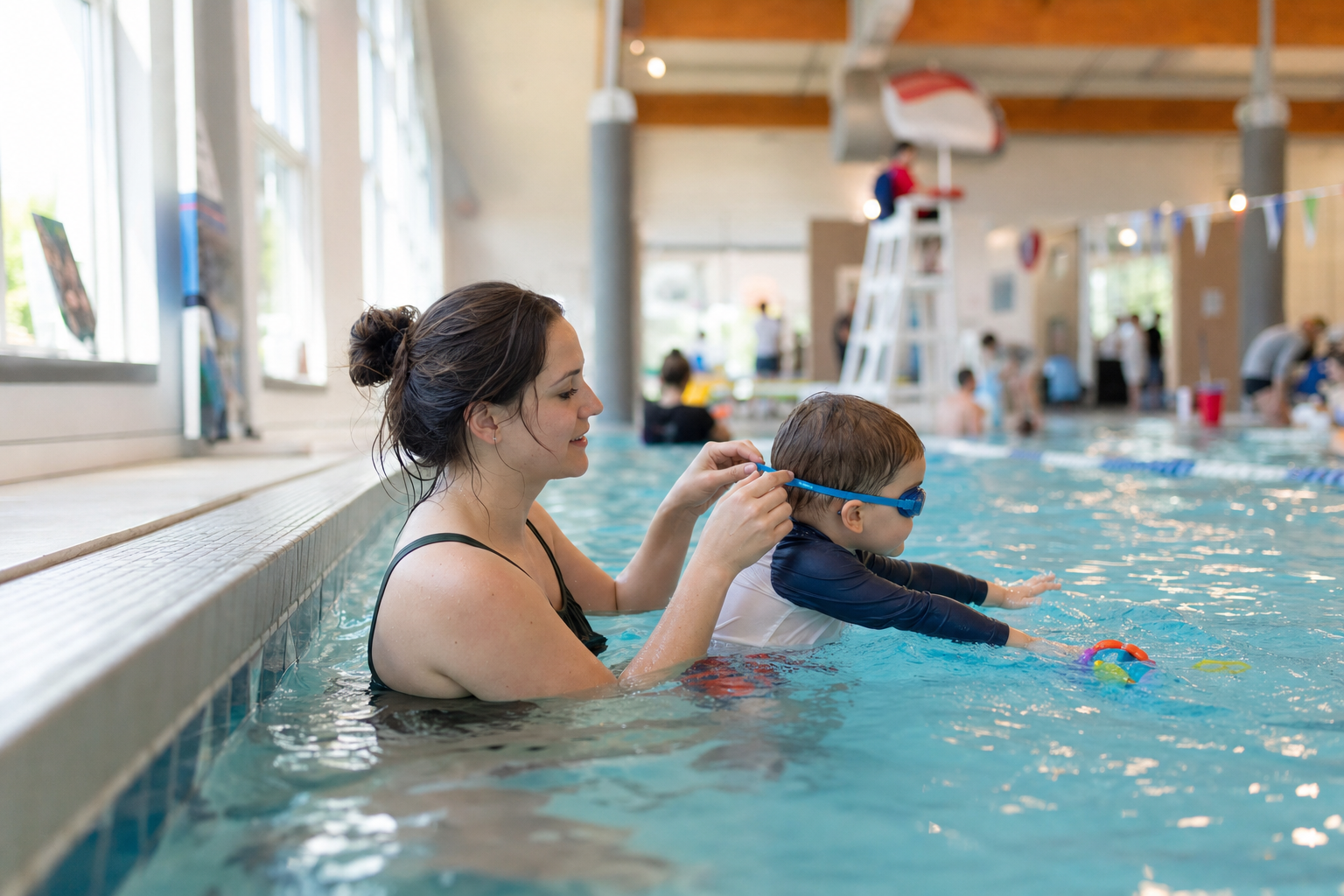
Choosing whether your toddler should wear swim goggles isn’t just about buying cute gear. It’s about whether goggles truly help—or sometimes hinder—their comfort and early water confidence. Here’s a dive into when toddler swim goggles make sense, when they might create more fuss than benefit, and how parents can introduce them in the gentlest, safest way.
When Swim Goggles Help Toddlers (About 18–36 Months)
At around 18 to 36 months, many toddlers are beginning swim lessons, swimming in deeper water, and experimenting with opening their eyes underwater. In these situations, toddler swim goggles can protect sensitive eyes from chlorine, make underwater vision clearer, and reduce discomfort. Expert reviewers recommend using goggles with soft silicone seals designed for smaller faces, clear lenses or light tint, and easy-adjust straps for toddlers ages two to four. Choosing toddler swim goggles—rather than child or youth sizes—ensures they fit gently without putting pressure on the eye sockets. (swimfun.com.au)
Goggles can also support a toddler’s motivation. When vision is clear, kids are more curious and willing to explore underwater, which can help with floating, submerging, and building confidence. For toddlers in structured swim lessons, or for parents following swimming progressions like the “10-Week Plan” from Swimy.org—designed to gradually build comfort in water—goggles may be introduced at early stages to reduce fear and distraction. (swimy.org)
When Goggles Create More Fuss Than Benefit
Sometimes introducing toddler swim goggles too early or without care causes resistance, fussing, or delays in mastering basics like getting the face wet. Babies younger than about 18 months may lack the facial structure or motor control for a comfortable goggle fit, so goggles might slide, leak, or press unevenly, causing irritation. In these cases, goggles can be more distracting than helpful.
Overtightening straps is a common issue. When straps are too tight, they leave red rings, hurt, or pull hair in unpleasant ways. Many parents try to compensate for leaky goggles by tightening straps, but if the frame shape and seal don’t match the child’s face, tightening makes things worse—not better. (swimnetwork.com)
Another pitfall: letting goggles become a crutch. If a toddler refuses to go in without goggles, or always depends on them to get comfortable with splashes or submerging, they may miss out on learning important skills like tolerating water on the face or blowing bubbles. That resistance delays foundational water confidence. (swimnetwork.com)
How to Introduce Goggles Gently and Check Fit Properly
Ease in slowly
Start at home or in shallow water. Let your toddler hold swim goggles, play with them dry, maybe even wear them on dry land. When you begin pool sessions, use goggles in short bursts—five to ten minutes—while encouraging play, looking at pool toys underwater, and building trust before expecting full use. Praise your child for trying. Support this with lessons or routines that balance gear and free face-in-water time, such as those laid out in the 10-Week Plan from Swimy.org. (swimy.org)
[[ctababy]]
Perform the dry suction fit test
Without straps, press the gasket (the soft seal part) gently against your toddler’s face—just over the eye socket. If the lens cups stay there for one to three seconds before falling off, that’s a good shape match. If they drop immediately, try another size or style. The seal should feel natural, not forced. (swimnetwork.com)
Adjust nose bridge and straps correctly
Many toddler swim goggles come with adjustable or interchangeable nose bridges. If goggles pinch the nose, choose a wider bridge; if the lenses are too wide and leak along the inner corners, go smaller. Silicone nose pads or soft arches help distribute pressure. Straps should sit about two finger-widths above the ears (45-degree angle up toward the crown), and tension should be light—just enough to hold goggles in place without digging in. Letting straps over-tighten often causes leaks and discomfort. (swimnetwork.com)
Practice key skills without goggles too
Even after introducing goggles, make sure your toddler practices face splashes, blowing bubbles, and underwater glides without goggles. This strengthens comfort and reduces dependence on gear. Teaching both ways helps them adapt to situations where goggles might leak, break, or simply aren’t available.
Safety Caveats: Goggles Are For Comfort, Not Protection
Always remember: baby swim goggles and toddler swim goggles protect against eye irritation and improve vision underwater, but they are not safety equipment. Goggles do not replace adult supervision, swim aids, or life jackets. Keep toddlers within arm’s reach. Never leave them unattended, even at the edge of water. Experts recommend waiting until a baby has good head control (often around six months) before full immersion, and even older toddlers require close supervision. (health.clevelandclinic.org)
Final Thoughts
Baby swim goggles and toddler swim goggles can be helpful tools when introduced at the right age—generally around 18 to 36 months—and fitted carefully. But they can also become sources of fuss and frustration if the fit is poor, if the straps are overtightened, or if gear dependency takes over early-stage water skills. By following gentle introduction, checking fit via suction tests, adjusting nose bridges and straps, and ensuring plenty of face-in-water practice both with and without goggles, you’ll set your child up for confident, enjoyable swimming rather than battles over gear. >> Let the water win the trust, not the goggle.
120+ swimming exercises sorted by age — with video and instructions. Developed by swim instructors, completely free.

120+ swimming exercises sorted by age — with video and instructions. Developed by swim instructors, completely free.