Surf Entries for Kids: Wade, Porpoise, Dolphin—Safely
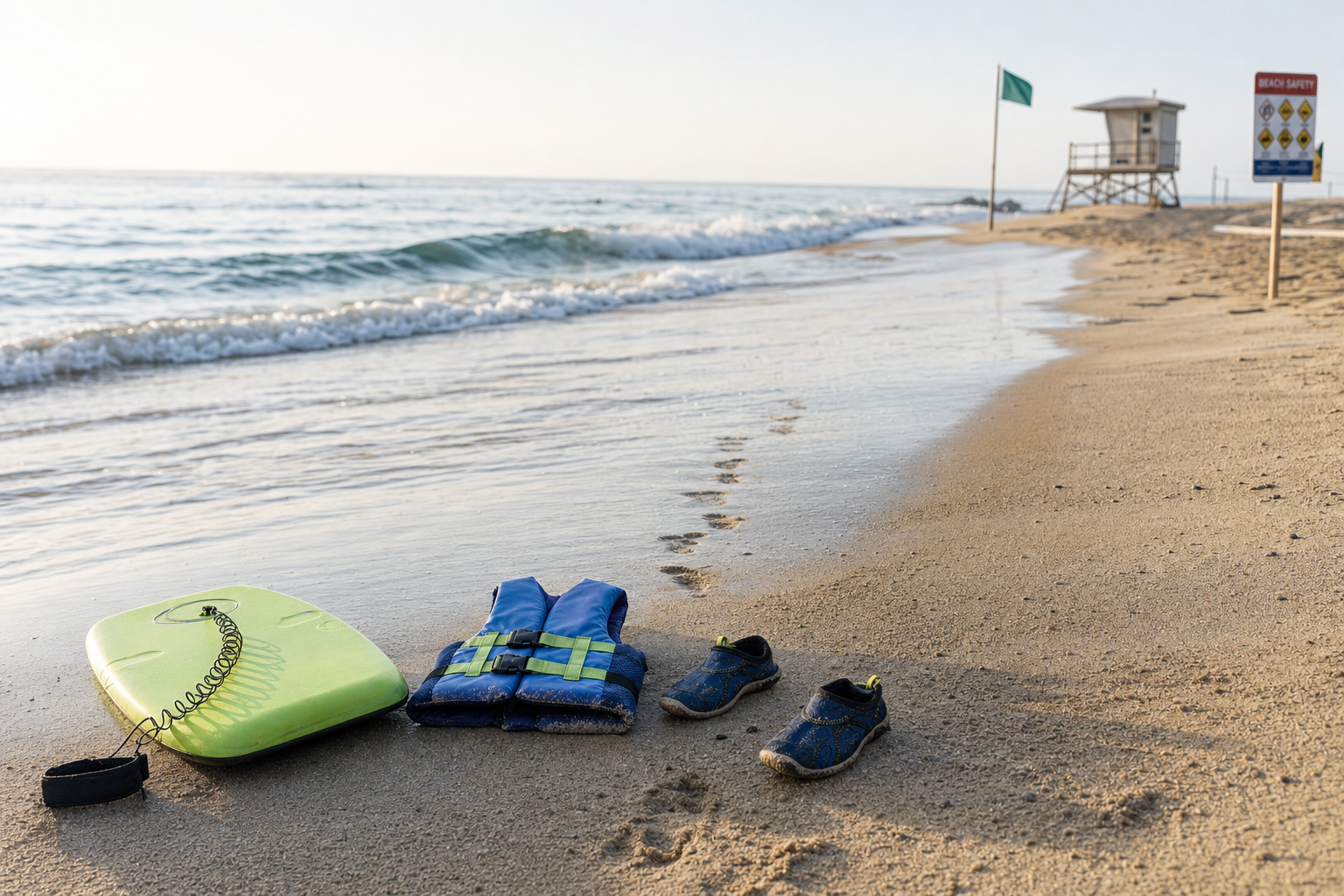
When waves stand up, knowing how to enter surf safely kids is more important than how they swim once in. For children ages 7–12, mastering age-appropriate beach entry skills in knee-to-waist‐deep water helps them keep feet under them, protect their neck, and time the sets with an adult beside them. Here’s what to teach, and how, so your child can enjoy the surf safely.
Why timing and technique matter
The surf zone can knock a child off their feet easily, especially when waves break. Coastal safety sources warn that plunging or dumping waves, rapid drops, tides, and drop-offs can seriously injure non-swimmers or children who aren’t ready. Merely swimming strokes won’t help if the kid gets slammed or pushed under by waves. The advice from Assateague Island National Seashore is clear: children should swim or enter only under supervision, and avoid headfirst dives into unknown or shallow water. (home.nps.gov) Tides and depths change fast; NOAA emphasizes knowing local tides and avoiding steep beaches or strong shorebreaks, particularly for those still standing. (noaa.gov)
Beach entry techniques: wade, porpoise, dolphin
Teach children three main techniques appropriate for different water depths. Practice only on low-energy days at patrolled beaches, no shorebreak, always with an adult nearby.
Wade entry
Wading is the simplest. In knee-to-waist-deep water, have children step in feet first, lifting legs high as they move forward. This gives them footing, keeps their head upright, and lets them monitor wave timing. The American Red Cross suggests entering water feet-first in unfamiliar or shallow settings. (redcross.org)
Porpoise dive
Porpoising, also called a “surface dive” or dolphin-style forward dive in shallow waves, works well when wading becomes difficult. In practice, kids should bend knees and dive forward, hands and head entering first, then push with legs off the sandy bottom to re-surface. Surf Life Saving’s “Surf Skills” guide in Australia says children should start moving quickly by wading and then use dolphin diving once wading isn’t efficient. (beachsafe.org.au)
Dolphin dive
Once water reaches waist to chest depth and the waves are breaking further out, teach the dolphin dive specifically. Lifeguards use it to traverse waist-deep water efficiently. The technique: run or high-step in shallow surf until the water gets too high to wade; bend forward, arms outstretched leading the dive; once submerged, hands and body press down toward the sandy bottom; push forward with legs, then resurface. Transition to strokes as soon as feet can no longer find the bottom. Wikipedia’s article on Dolphin dive (non-competitive rescuers) describes exactly this. (en.wikipedia.org)
Insert this lesson into your child’s swim skill progression—one example is the 10-Week Plan at Swimy.org (https://www.swimy.org/10-week-plan), which breaks down water safety skills week by week, including entry techniques along with breath control and stroke basics. This helps build confidence gradually for children aged 8+ especially. (swimy.org)
[[ctakid]]
What to practise—and what to avoid
Practise in the right place
Only use beaches with lifeguards on duty, gentle slopes producing spilling waves (less force), and avoid days with large surf, shorebreak, steep drop-offs. Coastal safety warnings repeatedly flag shorebreak as a major hazard for head, neck, and spinal injuries. (oceanservice.noaa.gov)
Start in knee-deep water to practise wading, timing, and balance. Then move into thigh or waist depth to introduce porpoise or dolphin entries.
Teach timing & positioning
Have children face the ocean so they see waves coming. Teach them to wait for the lull before a set of waves, then wade or porpoise forward rather than running directly into breaking waves. Turning their back on waves is risky—they can’t see or brace for the force. The National Weather Service warns about always watching incoming waves. (healthdirect.gov.au)
Protect the neck & head
Never allow diving headfirst until the child is a strong swimmer, depth is clearly known and settled, and waves are gentle. Encourage arms in front to shield the head through waves. If a wave bottoms out suddenly, a child should roll or crouch rather than trying to stand upright in rough force.
Building confidence & supervision
An adult should always be beside the child in knee-to-waist deep water. Use touch or near-arm’s reach supervision. As swim skills improve, they can practise under more relaxed observation but never alone. The American Red Cross and health organisations emphasize constant supervision and credible protection layers—for example lifejackets for non-swimmers or weak swimmers. (redcross.org)
Regular practice during calm conditions helps. Start with small waves that spill gently, practise dolphin dives outside of breaking zones, wading, timing sets. Every session should build on the last so children gain spatial awareness, confidence with wave force, and comfort submerging or letting waves pass overhead.
Common pitfalls & safety reminders
One common mistake is pushing porpoise or dolphin dives in “dumpy” shorebreak—those steep breaking waves near shore that crash violently. These can throw a child down, jar the neck, or knock the wind out of them. Avoid them entirely for children. Also avoid turning backs on waves, which makes predicting wave force impossible.
Coastal safety sources warn that many beach injuries happen because children don’t realise water depth changes suddenly. Drop-offs or sandbars shift with tides and storms. Kids may think water is waist-deep but sudden deeper troughs can lurk nearby. Always check the bottom with feet and move slowly in the surf zone. (noaa.gov)
Putting it all together
Start your session by choosing a low-energy day at a patrolled beach with spilling breakers and gentle slope. Begin with wading and foot-first entries. Then practise porpoising—with arm first dives in knee-to-waist water. Introduce dolphin diving when water reaches waist depth and wading is no longer comfortable. Keep the child facing waves, arms protecting head, feet moving under water until they transition into a swim stroke. Maintain adult-side supervision, practice timing sets so child learns when to move and when to wait. Use the skill progressions in structured plans like Swimy’s 10-Week Plan. Review hazards like shorebreak, drop-offs, tides and avoid unsafe conditions. With patience, consistent practise, and safety first, kids aged 7-12 can master beach entry techniques, porpoising for children, and surf entries that let them enjoy the ocean with confidence and minimized risk.
120+ swimming exercises sorted by age — with video and instructions. Developed by swim instructors, completely free.

120+ swimming exercises sorted by age — with video and instructions. Developed by swim instructors, completely free.