Swim-Day First-Aid Kit: Essentials Parents Actually Use (Ages 3–12)
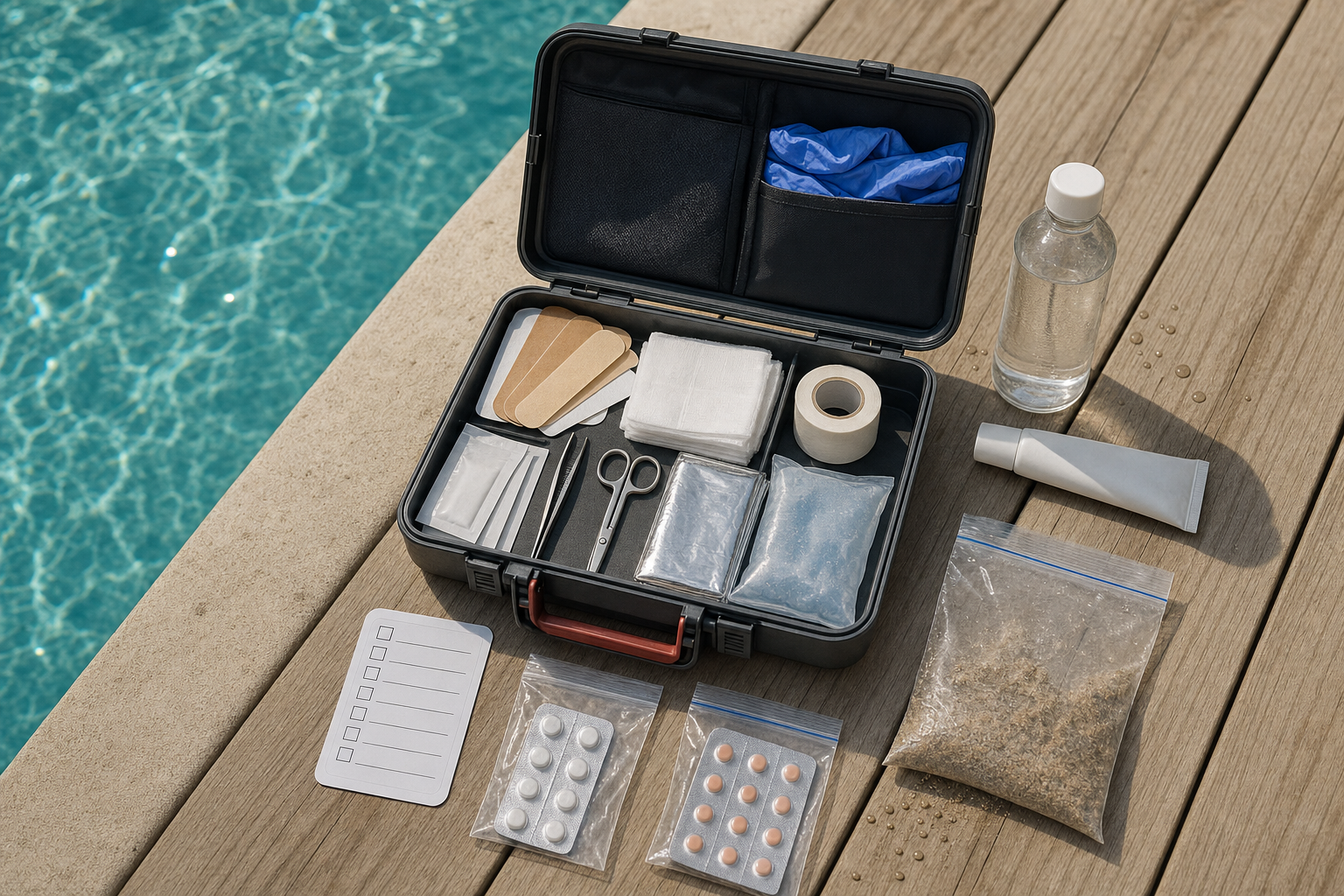
When your kid comes out of the water with a scrape, a sting, or a nasty sunburn, what’s in your family first aid kit beach or pool bag matters more than you think. Here’s exactly what to pack that you’ll actually use, how to store it, and extras for lake, beach, and pool days. Skip the fluff—this is for ages 3-12 when you want fast, safe help.
What goes in a swim-day first aid kit checklist
You need a right-sized kit—small enough to carry, big enough to work. These items are essential: nitrile gloves for hygiene when handling wounds; assorted adhesive bandages (multiple sizes) to cover cuts, blisters, or grid-like scrapes; sterile gauze pads plus adhesive tape to dress bigger wounds; antiseptic wipes to clean anything before bandaging; tweezers for slivers and tentacles; small scissors (blunt tip) for cutting tape or gauze; an instant cold pack to reduce swelling from bumps or insect bites; and an emergency blanket for shock or keeping kids warm if needed. Without these you’ll regret it when you need them.
Optional add-ons that often get used: vinegar (full strength) for some jellyfish stings — but only if local guidance supports it, since vinegar can worsen pain with some species (aafp.org); a tube of 1% hydrocortisone cream for itchy stings or rashes; waterproof pouches for prescription meds and child-specific items like inhalers or antihistamine tablets. Never pack meds without child-appropriate doses and doctor’s guidance.
Sun, stings, cuts—how and when to use these essentials
Cuts and scrapes hurt more near water because salt and sand irritate. First wipe with antiseptic wipes, cover with a plaster or gauze sealed with tape. If bleeding doesn’t stop after 10 minutes, replace dressing and consider medical help (medlineplus.gov). For sun, apply sunscreen early, reapply often, and keep the kit handy with after-sun cream.
Stings and marine insect or jellyfish injuries need caution. Rinse with seawater (not fresh water) to avoid triggering more venom release. If your area advises vinegar, pour for at least 30 seconds and remove tentacles with tweezers or gloved fingers (vims.edu). Use instant cold pack to ease pain. Hydrocortisone can help with itching, but avoid applying until venom risk is managed.
If you want a structured way to help your child progress at home, the 10-Week Plan guides you step by step.
Where storage and regular checks save the day
Even with a solid swimming first aid checklist, the kit won’t help if it’s expired or missing basic PPE. Store your kit in a cool, dry place—one that’s easy to grab on your way out. Use waterproof containers or zip-seal pouches to keep moisture and sand out. Include nitrile gloves in every kit; PPE protects both caregiver and child.
Check your kit at least annually, better twice a year. Replace anything past its expiration date: creams, ointments, antiseptic wipes lose potency; adhesive bandages lose stickiness over time (redcross.org). If packaging is torn or moisture got in, toss it. Keep a little log or mark your calendar.
[[ctakid]]
Matching your kit to the location: beach, lake, pool
At the beach, stings are more likely: tentacles, urchins, jellyfish. Vinegar included only if local marine behavior advice supports it. Bring water-tight pouches so salty spray doesn’t ruin meds or hydrocortisone. At the lake or freshwater setting, snakes, algae, or sharp sticks may pose risk—long gloves help, antiseptic more important if water is murky. Pools often have fewer marine species, but chemical burns (from pool chlorine), slips, and scrapes are common; a cold pack plus antiseptic wipes are highly useful.
How parents keep prepared
You might already be using a swim training plan like the “10-Week Plan” on Swimy.org to build water confidence with your child. Embedding first aid checks into that routine helps: at the end of each session, inspect the kit, note anything missing, expired, or damaged. That way your swim-day first aid kit becomes as routine as goggles and swim hat.
Label items clearly, especially meds. If your child needs an antihistamine or inhaler, include instructions and dosage. Store kits in places you’ll remember—car trunk, poolside bag, beach tote—but avoid leaving them in hot cars or under the sun where heat can degrade components.
Common pitfalls and how to avoid them
Forgetting child-specific medication is a classic mistake. Don’t assume every kit you buy includes what your child needs. Always carry items unique to your child’s health situation: allergy medication, epinephrine, asthma inhaler, etc.
Using expired supplies feels worse when nothing works or, worse, causes harm. Checking expiry dates and the integrity of packaging saves more than money—it can prevent infection or failure in an emergency (redcross.org).
Skip the “no PPE” problem. Gloves cost almost nothing, yet they’re often skipped. They’re your first line against infection when handling blood or marine stingers.
Relying blindly on vinegar can also backfire if local marine venomous species respond poorly. Check regional health or lifeguard guidance before including vinegar in the kit.
Wrap-up: build the kit you’ll use
Commit to a swimming first aid checklist. Gather essential supplies: nitrile gloves, assorted bandages, gauze, adhesive tape, antiseptic wipes, tweezers, small scissors, instant cold pack, emergency blanket. Add optional items like vinegar (with local guidance), hydrocortisone, and waterproof pouches if your swim setting demands it. Store correctly, check often, and customize for kids aged 3-12. With that right-sized, evidence-based family first aid kit beach or pool ready, you’ll face swim days with confidence—not panic.
120+ swimming exercises sorted by age — with video and instructions. Developed by swim instructors, completely free.

120+ swimming exercises sorted by age — with video and instructions. Developed by swim instructors, completely free.