Swim Nappy Policies Abroad, Decoded: US, UK & Australia Rules Explained
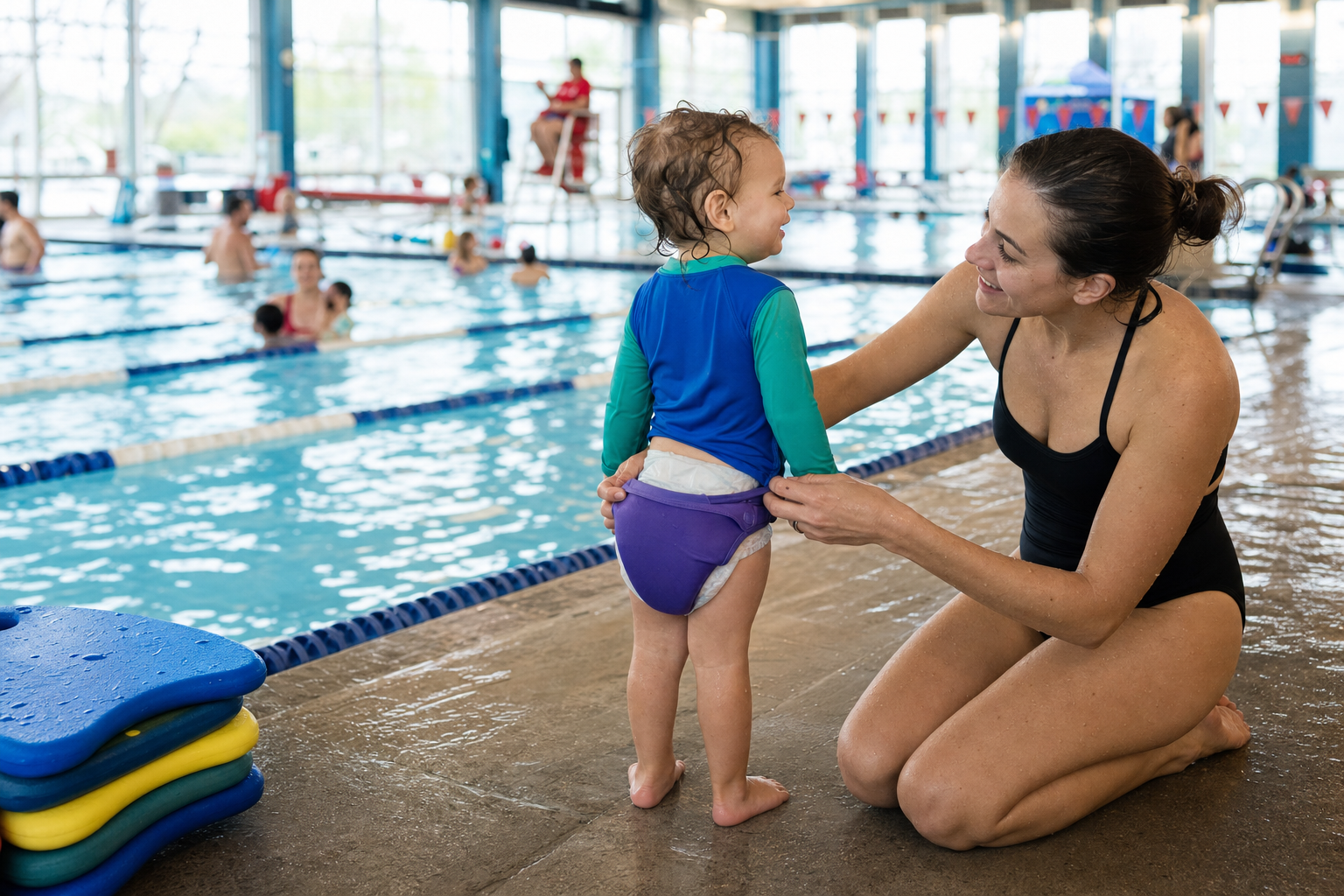
Swim Diaper vs Swim Nappy: What Does That Even Mean?
In simple terms, "swim diaper" (U.S.) and "swim nappy" (UK, Australia) refer to the same thing: a specialised diaper designed for water use. These don’t swell up like regular diapers, but they help contain solid waste. Regular diapers or pull-ups are never acceptable in pools—when wet, they bloat or break down and can clog filters or worse. In fact, many public pools in the U.S. require a swim diaper by name; they won’t let babies in otherwise. (pediatricpicks.com)
Much of the confusion happens when regular diaper terms don’t clearly distinguish whether they are water-safe. Swim diapers are engineered to allow water to flow through while holding solids in. Some facilities also accept reusable swim nappies made of tight-knit Lycra or neoprene. What the facility demands depends on where you are: U.S., UK, or Australia.
Partial Potty Training and Age Rules: 0–36 Months & Beyond
Most pools abroad enforce swim nappy or diaper rules up until a child is reliably toilet trained. Usually, that means up to 36 months, though sometimes older, especially if they're in group care or some school-run lessons. In the UK, babies and toddlers who aren’t fully potty trained must wear a swim nappy. (nct.org.uk) In Australia, many pools require infants and toddlers under three or under four to use swim nappies if they’re not toilet trained. (innerwest.nsw.gov.au)
Some facilities have specific rules like NSW’s Kiama Leisure Centre: babies and preschoolers under 3 must wear “Aqua Pants” over a disposable swim nappy. These specially approved swim pants help prevent leaks. (kiama.nsw.gov.au) Each pool normally publishes or posts what kind of swim diaper or nappy they accept. Best to check before you go.
Double Nappy Policy: When One Layer Isn’t Enough
Many swimming centres mandate a double-nappy system — a disposable swim diaper under a reusable swim cover or waterproof pants. The idea is that one layer keeps solids inside, while the outer layer catches any escapes. U.S. pools often require this double-layer system for non-toilet-trained swimmers. (rockvillemd.gov) In Australia, as we saw at Kiama Leisure Centre, that double-layer rule is formalised for all children under three. (kiama.nsw.gov.au)
The double-nappy setup helps reduce embarrassing “accidents” and keeps pools cleaner, but note: it doesn’t catch everything. Experts warn that even swim diapers used correctly will still let urine slip through and possibly some germs if there's a loose stool. Frequent changes and timely bathroom breaks are essential. (cdc.gov)
If you want a structured way to build water confidence at home, the 10-Week Plan guides you step by step.
How Policies Differ: U.S., UK & Australia Compared
In the U.S., swim diaper rules are enforced locally — city pools, parks, swim schools each have policies. Most require swim diapers for anything non-potty-trained. Some have mandatory double diaper requirements including tight-fitting waterproof pants on top. Regular diapers are banned. (rockvillemd.gov)
[[ctababy]]
In the UK, swim nappy rules are also standard for babies and toddlers until fully potty trained. Some pools require a second layer, like neoprene covers over the swim nappy. Regular diapers are banned. Swim England and NHS guidance underline that swim nappies won't absorb water and shouldn’t be substituted. (nct.org.uk)
In Australia, many pools require swim nappies for infants and toddlers and occasionally for children up to four years. Many facilities publicly require both a swim nappy and a waterproof outer layer. The “Approved Aqua Pants” or “Happy Nappy” systems are common. Some councils provide low-cost nappies or allow alternative brands after verification with staff. (babycentral.com.au)
Before You Go: What Parents Need to Know
Check the pool’s website or call ahead to find out which types of swim diaper or swim nappy are accepted and whether a double-nappy policy is enforced. A tight-fitting reusable swim cover or approved outer layer often meets the rules more reliably than loose or generic products.
Make sure the diaper or nappy fits snugly around the legs and waist, since leaks mostly happen here. Carry extras in your bag in case of accidents, and plan to change diapers in designated change areas (not poolside). Wash hands afterwards. Use bathroom breaks every 30–60 minutes during swim sessions to minimise risks. (nct.org.uk)
If your child has had recent diarrhea or is otherwise unwell, stay out of public pools until symptoms have cleared—typically 14 days after diarrhea stops in many jurisdictions. (darlington.gov.uk)
Swimming lessons often recommend a swim diaper right before bathroom time and just before entering the pool to keep things fresh. If you’re following guidance like the “10-Week Plan” from swimy.org for getting your baby swim-class ready, make sure swim diaper prep is part of your routine. That helps build confidence and consistency. (reddit.com)
Safety Caveat: What Swim Diapers Don’t Do
Even the best swim diaper vs swim nappy system can’t prevent all germ entry. While solid waste is mostly held in, germs from diarrhea, vomit, or even urine can still contaminate the water. Swim nappies delay leakage—they don’t create a perfect seal. So regular bathroom breaks, immediate changes of soiled nappies, and staying out of the water if your child is sick remain essential. According to the CDC, swim diapers don’t stop all pathogens but reduce the chance of pollution. (en.wikipedia.org)
If you're heading out with your baby or toddler for a swim, knowing the difference between swim diaper vs swim nappy, understanding double-nappy policies, checking age rules, fitting the diaper correctly and practicing safety routines will go a long way. That way, your little one stays class-ready, the pool stays clean, and everyone enjoys the splash without stress.
120+ swimming exercises sorted by age — with video and instructions. Developed by swim instructors, completely free.

120+ swimming exercises sorted by age — with video and instructions. Developed by swim instructors, completely free.