What to Do When Your Toddler Has a Verruca and Swim Lessons Are Booked
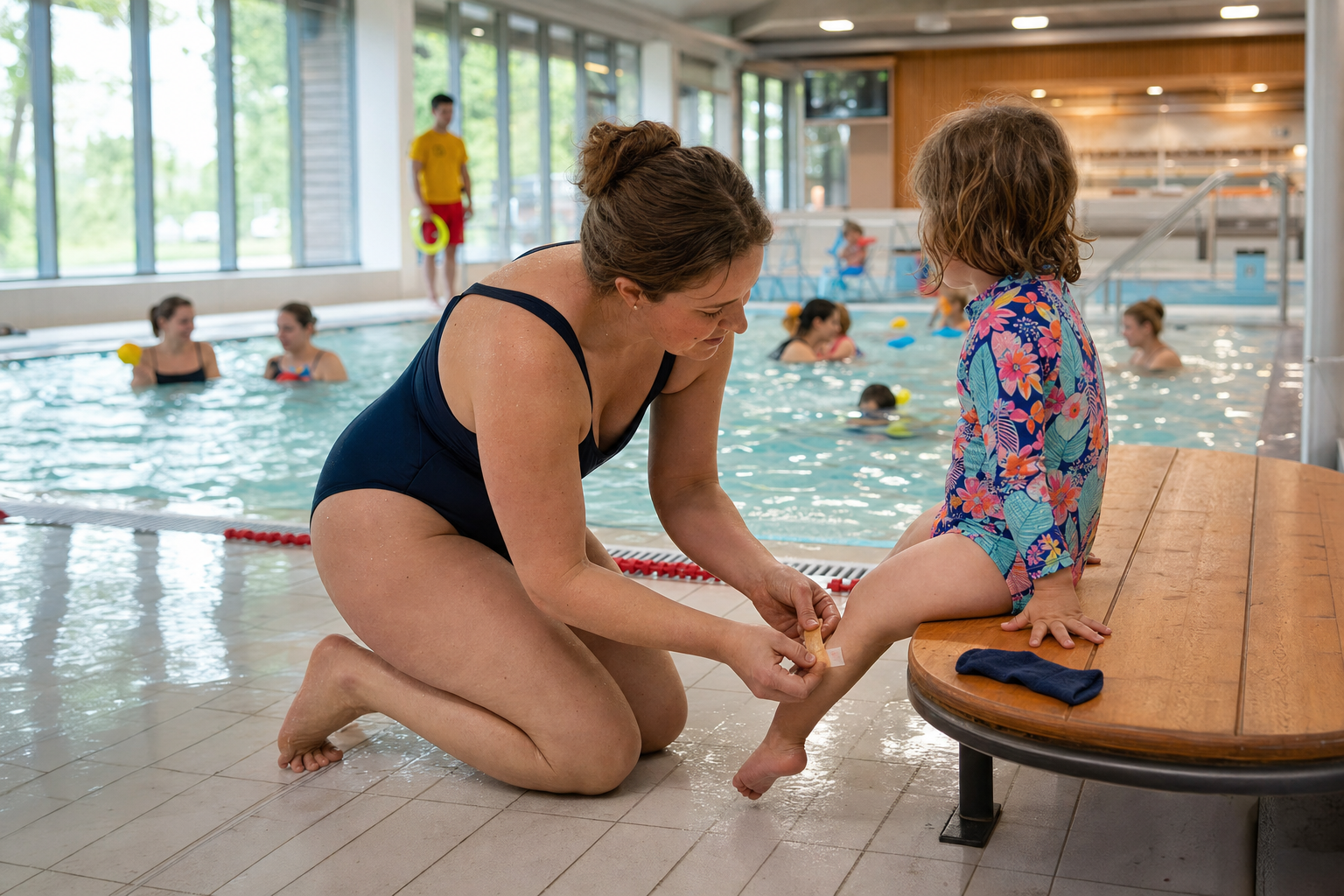
Your 2- or 3-year-old has a verruca (or wart), and swim lessons are already on the calendar. Before cancelling weeks in advance, there are steps you can take to protect your child and others, without shame and without missing out.
How to Cover Up Verrucas for Toddler Swim Classes
The NHS recommends covering warts and verrucas with a waterproof plaster when swimming to help stop spreading the virus. Verrucas thrive in damp, warm places—pools, showers, changing rooms—especially with damaged or cracked skin. This makes covering an infected area essential. (nhs.uk)
You can use a special plaster designed for water exposure, like a waterproof sterile plaster. In the UK, many parents also use verruca socks—thin, stretchy socks that cover the foot and are accepted in some swimming pools. For babies who mainly splash with older siblings, covering exposed areas works just as well. (guysandstthomas.nhs.uk)
If your child has swim lessons through a structured plan—say the “10-Week Plan” from Swimy.org—it’s worth checking whether the swim school accepts these coverings. Some programs are flexible if parents ask ahead. You can often adapt this plan by pairing lessons with waterproof coverings so your child can join without delay. (Here’s the “10-Week Plan” for reference: https://www.swimy.org/10-week-plan)
Pool Rule Checking & Communication
Every facility has its own policy. Local pools in the UK or Australia aren’t universally consistent. Some insist on full waterproof coverings, others are looser. Call or email the pool or swim school. Ask whether they allow plasters, verruca socks, or even clear nail varnish to cover warts. Most instructors want to help you avoid rescheduling, especially if the child is keen.
When discussing this with your toddler, keep the tone positive: “We’re protecting your foot so you can keep swimming and having fun.” Avoid shame or guilt. Kids feel protective of their bodies; framing it like “you’re wearing your superhero sock” can make a big difference.
Bathing & Towel Hygiene That Matters
Even with coverings, hygiene outside the pool is just as important. After swim class, dry your child’s skin thoroughly, especially between toes. Damp skin is more vulnerable to virus spread. Change socks daily and avoid bare feet in communal areas. (nhsinform.scot)
[[ctababy]]
Use your own towel; do not share with others or siblings. Wash towels frequently. Flip-flops or pool shoes in changing rooms are good practice. The virus survives better on moist or damaged skin, so keeping skin strong and dry helps. (guysandstthomas.nhs.uk)
When Should You Really Pause Swim Lessons (and When Not to)
Many parents assume swim lessons must wait until the verruca is gone—but that can take 6-24 months in toddlers. If the verruca is painless and contained, treatment isn’t urgent. NHS advice says most verrucas will resolve without medical treatment, often within six months to two years. (nhs.uk)
Only consider pausing if the verruca becomes very painful, starts spreading widely, or begins bleeding. Also pause if advised by your GP or if your child has conditions that affect healing. Otherwise, with good coverings and hygiene, most pools allow participation. (nhsforthvalley.com)
Covering Choices That Work & Feel Okay
A good waterproof plaster should seal around the edges. If your child dislikes that, verruca socks are an option; there are ones designed to be thin and unobtrusive in the pool. Clear gel or nail varnish sometimes helps, but full protection comes from sealed coverings. (merseycare.nhs.uk)
You might try coverings during dry times first, so your child gets used to it. Practice putting on verruca socks together, make it playful: “Line up the toes, count to ten!” Letting them choose a fun color can help.
Bringing It Together
If your toddler has a verruca and swim lessons are booked, here’s what to do: cover the wart with a waterproof plaster or sock, check the pool’s rules ahead of time, maintain towel and foot hygiene, and avoid letting the lesion spread. Most likely, your child can attend lessons without delay. Given how long verrucas can last on their own, cancelling for weeks might not be necessary—just take sensible precautions backed by NHS and Australian advice. Each child is different, so when in doubt, talk to a pharmacist or GP—but don’t assume you need to wait until it’s totally gone.
With a little planning and clear communication, your child can keep their swim class rhythm without shame or delay.
120+ swimming exercises sorted by age — with video and instructions. Developed by swim instructors, completely free.

120+ swimming exercises sorted by age — with video and instructions. Developed by swim instructors, completely free.