Toddlers Who Throw Toys Toward Water: How to Keep It Safe
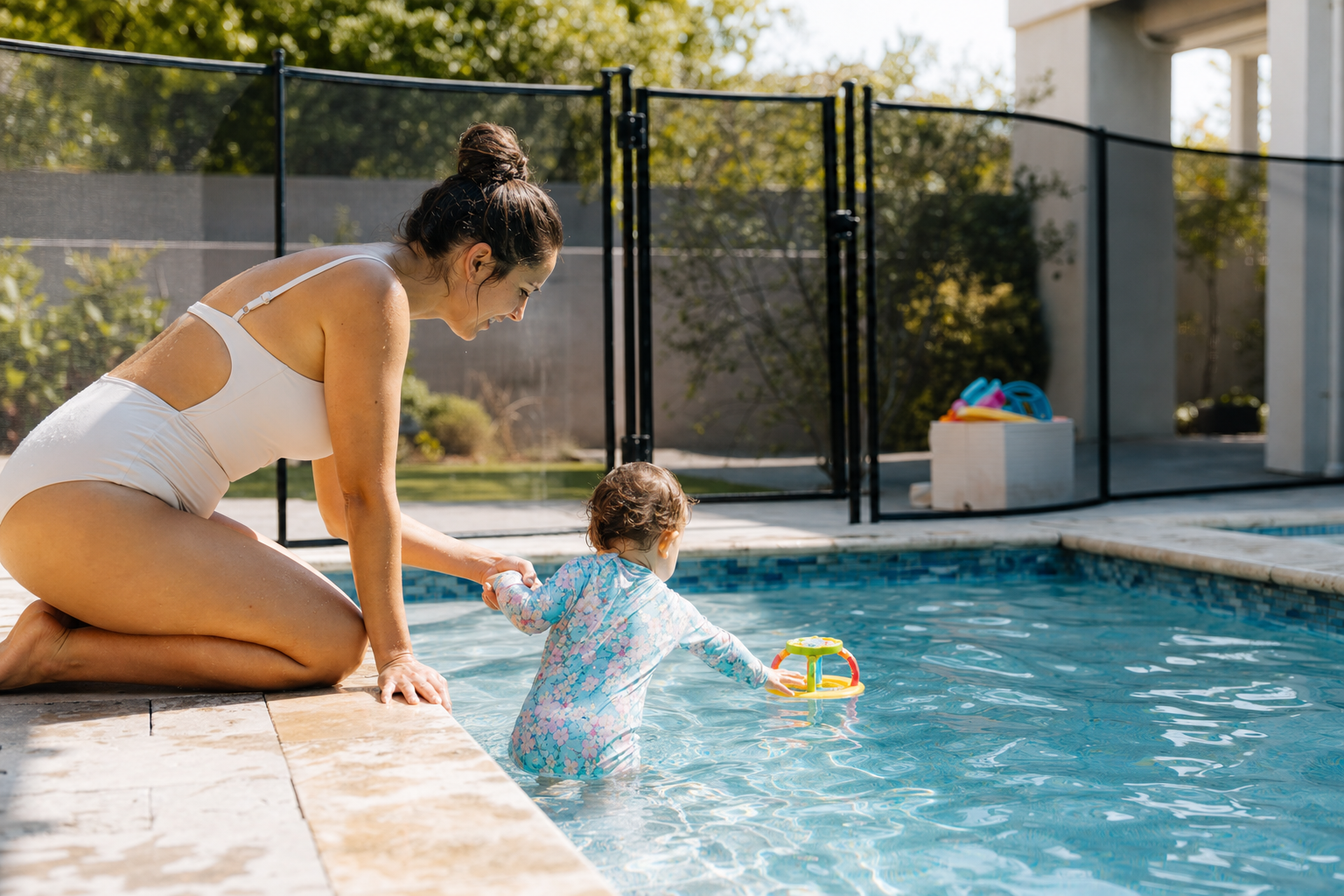
When your 12–36 month‐old toddler impulsively tosses a bright toy toward the pool, it can be more than messy—it creates a dangerous lure back to the water’s edge. A child may dart after the toy, slip, lean over, or even fall in. Addressing this behavior to protect against drowning requires quick, consistent strategies. We'll dive into prevention scripts, toy‐zone setup, retrieval rules, and how not to accidentally teach chasing after pool toys. Keywords like “toddler throws toys in pool,” “pool toy safety toddler,” and “water safety for toddlers” guide this advice.
Instant Scripts Parents Can Use When a Toy is Thrown
When your toddler throws a toy toward water, how you respond in the moment makes a difference. Use short, calm phrases that clearly state what’s unsafe. Say things like: “We don’t throw toys toward water. That’s dangerous.” Then follow with: “If you want that toy, I will get it.” This reinforces that adults, not toddlers, retrieve toys near water. When your child tries again, offer a firm consequence: “If you throw that again, I’ll put it away for now.” Over time, praise when they grab toys without throwing. According to CDC guidelines, behavior attention—positive or negative—strongly influences whether a toddler repeats an action. (cdc.gov)
Laughing or pretending the first time your child throws a toy may feel natural, but it teaches that water‐edge mischief is amusing. Laughing signals reward. By contrast, staying calm and consistent sends a safer message that “throwing” is not permitted around water.
Toy‐Zone Setup: Organizing Space to Reduce Temptation
Designate a toy zone well back from the pool edge—on the lawn or patio, away from the water barrier. Store only a few safe, purpose‐built water toys in that area. Rotate toys so toddlers don’t get bored, but never leave flashy or favorite toys at the pool edge after swim time. According to national safety guidance, all toys should be removed when the pool isn’t in use to avoid tempting toddlers to approach the water unsupervised. (cdc.gov)
Choose toys that are developmentally appropriate: ones that sink slowly, are easy to grip, brightly visible, and free of choking hazards. Avoid large floats or novelty gear that put toddlers out of reach or feel like substitutes for safety devices. The American Academy of Pediatrics warns that inflatables and floaties are not protective and can create false confidence. (healthychildren.org)
Retrieval Rules: Who Gets the Toy—and How
Make a family rule: only adults retrieve any toy that lands in or near the water. Never tell your toddler to chase after a thrown toy toward water. That simple phrase “I will get it” becomes a shield against spontaneous sprints. Practice exit routes: always use a gate, use steps, stay on non‐slippery surfaces, keep handholds in reach.
If you want a structured way to build water confidence at home, the 10-Week Plan guides you step by step.
After each swim session, cover and securely fence off the pool; lock all gates. Remove toys from the deck and floatable surfaces. These layers reduce risk when toddlers remember the toy and try to go back. CDC drowning prevention resources emphasize constant supervision and multiple protective layers—pool fencing, gate locks, adult oversight—so that no single safety measure carries all the burden. (cdc.gov)
[[ctababy]]
How to Avoid Accidentally Teaching Chasing or Risky Behavior
Every pool session is a lesson in what you tolerate. When tossing toys becomes chase games, you teach toddlers to run toward the water. Resist turning retrieval into a game like “race to the toy.” That encourages risky behavior rather than reinforce safety. If you catch laughter or cheers when the child runs after a tossed toy, pause and correct.
Avoid leaving bright toys floating after swim time. Bright, floating objects are especially tempting; toddlers may try to wade or lean over to grab them. Pool safety standards recommend removing all such items unless actively supervised. (nationwidechildrens.org)
When time for swim lessons or water play, ensure any practice or structured curriculum builds water safety habits as well as skills. For example, programs that are thoughtful include the 10-Week Plan of swimy.org, which blends swim familiarization, safety lessons, and skill progression for toddlers. Using something like the 10-Week Plan ensures young swimmers gain confidence without being pushed into risky behavior ahead of readiness. (swimy.org)
Layered Safety: What Experts Always Emphasize
No single strategy works alone. The Centers for Disease Control and Prevention (CDC) breaks drowning prevention into multiple layers: learn how to swim, provide constant supervision, use barriers like fences, use properly fitted life jackets in open water, and know CPR. (cdc.gov)
For toddlers ages 12–36 months, adult supervision means “touch supervision”—someone within arm’s reach in or near the water. Be distraction‐free: no phones, alcohol, or multitasking. Make safety as much about your attention as about physical barriers. (healthychildren.org)
Take swim lessons seriously but with realistic expectations. Even toddlers who learn floats or survive self-rescue drills still need those layers. Skills fade without practice; fear or confusion arise when toddlers are pushed too fast. Good classes reinforce safety cues, raise confidence, and make sure children understand that throwable toys are not permission slips for risk. (swimy.org)
Keeping a toddler safe around water when they throw toys means thinking ahead. Use clear scripts to discourage throwing, set up zones to reduce temptation, make retrieval strictly an adult job, and avoid encouraging risky chase games. Pair all that with lessons, barriers, supervision, and CPR—these layers reduce risk. Pool toy safety toddler isn’t just about toys, it’s about the patterns parents allow. With consistency your child will learn that water’s edge is no place to chase a tossed treasure.
120+ swimming exercises sorted by age — with video and instructions. Developed by swim instructors, completely free.

120+ swimming exercises sorted by age — with video and instructions. Developed by swim instructors, completely free.