Tow Floats for Kids: Be Seen, Still Supervised
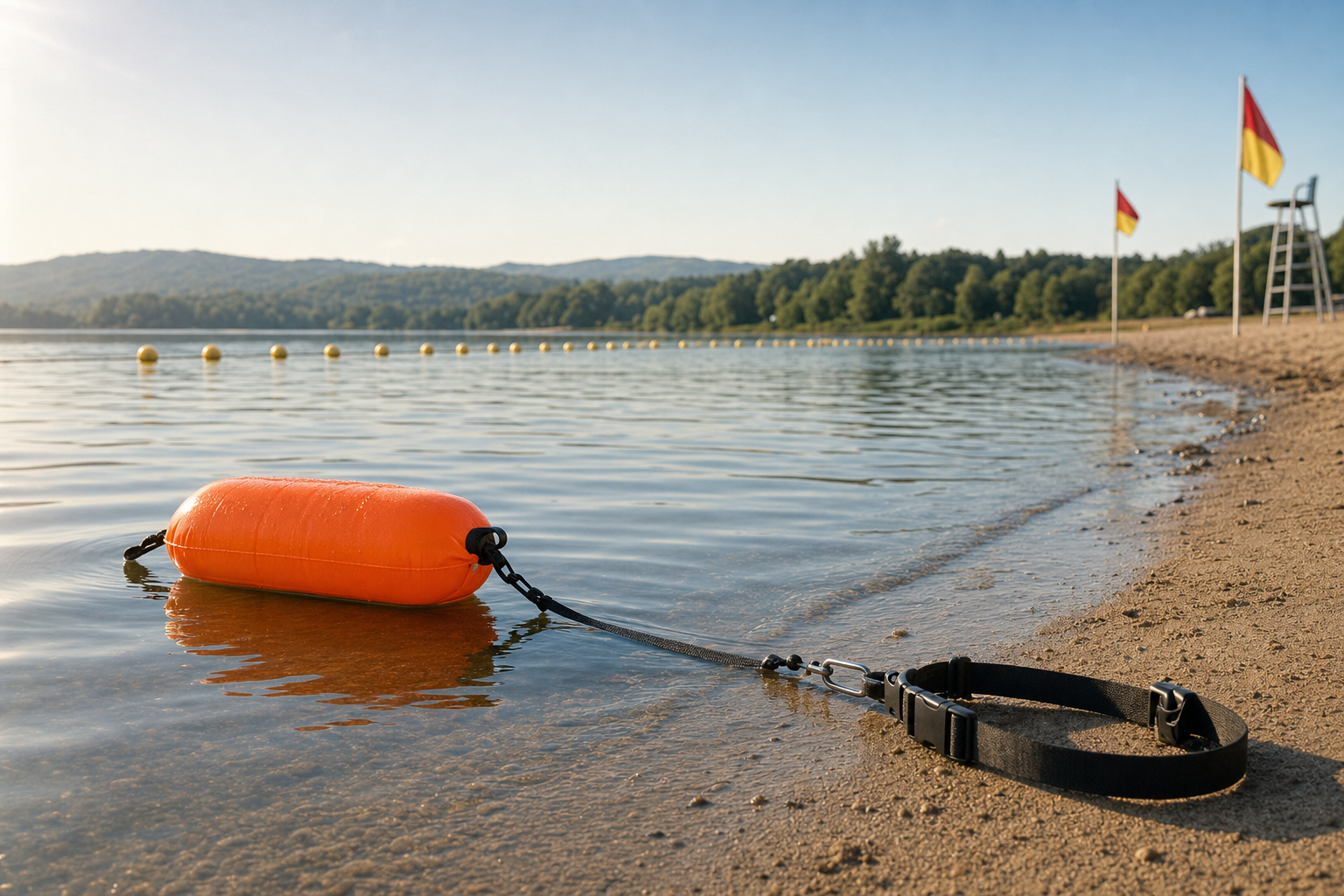
If your 8- to 12-year-old often swims in guarded open-water venues—lakes, reservoirs, beaches with lifeguards—you’ve likely wondered: does a tow float for kids really help, or could it give a false sense of safety? Let’s cut to the chase: when used correctly, a tow float (also called a swim buoy) boosts visibility and helps confident swimmers signal others that they’re out there. But it’s never a substitute for a life jacket or constant supervision. We'll explore when a swim buoy fits in—and when it doesn’t.
When a Tow-Float Can Help
For children aged 8-12 who swim steadily and comfortably, a tow float improves safety in short, guarded open-water swims. The RNLI’s open-water guidance emphasizes that a bright tow float lets water users and lifeguards spot swimmers from afar. (rnli.org) When your child is doing laps between pontoons or following a set course, the extra visibility reduces chances of being confused with waves or other hazards.
A good scenario: your child swims 100–200 meters out and back, inside marked zones, with lifeguards watching. A tow float doesn’t add buoyancy meant for rest, but it acts like a bright flag. It also offers a small dry pocket for stashing essentials—phones, spare goggles—so parents stay connected or can help if needed. RNLI’s “top tips” include choosing a fluorescent tow float with a waterproof pouch for emergencies. (rnli.org)
Parents of strong renters also find success using structured training plans—after weeks of pool work and safety drills, moving outdoors. For example, the 10-Week Plan from swimy.org helps kids build confidence, stamina, sighting skills, and responsiveness around open water before introducing gear like swim buoys. This type of preparation ensures the child sees the buoy as a tool, not a crutch.
When a Tow-Float Isn’t the Right Tool
There are times when using a swim buoy or tow float can create more risk than benefit. Surf zones, strong currents, rivers, or coastal areas with offshore winds create forces that pull floats—and swimmers—dangerously off course. A float's surface catches wind, dragging the swimmer, and in surf it can snag or flip unexpectedly. RNLI’s safety booklet warns against entering water that’s too rough. (supporttool.rnli.org)
If you want a structured way to help your child progress at home, the 10-Week Plan guides you step by step.
If the water is deep and the child becomes tired or panicked, they might clutch the buoy thinking it provides support—it usually doesn’t. Tow floats offer visibility, not flotation. Confident swimmers between 8-12 years may underestimate fatigue or not realize how cold water drains energy. Where strong currents exist, even excellent swimmers can be overwhelmed without flotation tools or lifeguards nearby.
[[ctakid]]
Fit, Leash Length, Venue Rules
The right fit of the tow float and leash matters for comfort and safety. The float should be bright and streamlined—fluorescent orange or yellow are common picks. The leash must be long enough for the child to swim freely but short enough not to tangle. A poor leash can snag on obstacles, catch between boards or blow wildly in wind, tugging the swimmer off rhythm.
Check venue rules: many lifeguarded beaches, lakes, or reservoirs have guidelines. RNLI advises swimming between red-and-yellow flags on guarded beaches. (rnli.org) Guards may have rules about using floats or inflatables when wind becomes “offshore,” or when strong waves or tides are active. Always obey posted safety flags and lifeguard instructions.
Fit means kids should practice pulling the float behind in calmer conditions first—learn to swim with it, turn with it, right it if it flips. They should treat it like a signal flag rather than flotation or rest. Parents should also check the condition of buckles, straps, and materials seasonally.
Never Replace Life Jackets or Supervision
Even confident 8- to 12-year-olds must always be closely supervised. Tow floats do not replace life jackets, especially in deep water, boating, rivers, or rough sea conditions. The U.S. Centers for Disease Control and Prevention (CDC) recommends properly fitted life jackets for children in or near open water, especially areas without lifeguards. (cdc.gov)
Life jackets provide buoyancy and keep someone afloat even if unconscious—something tow floats cannot. RNLI’s messages explicitly differentiate “be seen” gear like tow floats from equipment intended to keep you afloat or safe when alone. (rnli.org) Even at lifeguarded venues, water conditions change. Good supervision means someone watching from shore or poolside who can call for help, paired with rules, check-in times, swim zones—all unforgotten parts of safety.
In short: for an 8- to 12-year-old who swims well in guarded open water, a tow-float can help with visibility safety—as long as fit, leash, conditions, and rules are all right. It helps signal, keeps parents’ minds at ease, and supports confidence. But it’s never a life jacket, nor a replacement for adult oversight. Use it wisely: get your child ready with skills training (like the swimy.org’s 10-Week Plan), make sure the gear’s right, and always swim where help is close and conditions are safe. That’s how you enjoy open water AND stay safe.
120+ swimming exercises sorted by age — with video and instructions. Developed by swim instructors, completely free.

120+ swimming exercises sorted by age — with video and instructions. Developed by swim instructors, completely free.