Trans and Nonbinary Kids in Swim Lessons: Safe, Respectful, and Welcoming in the US, UK & Australia
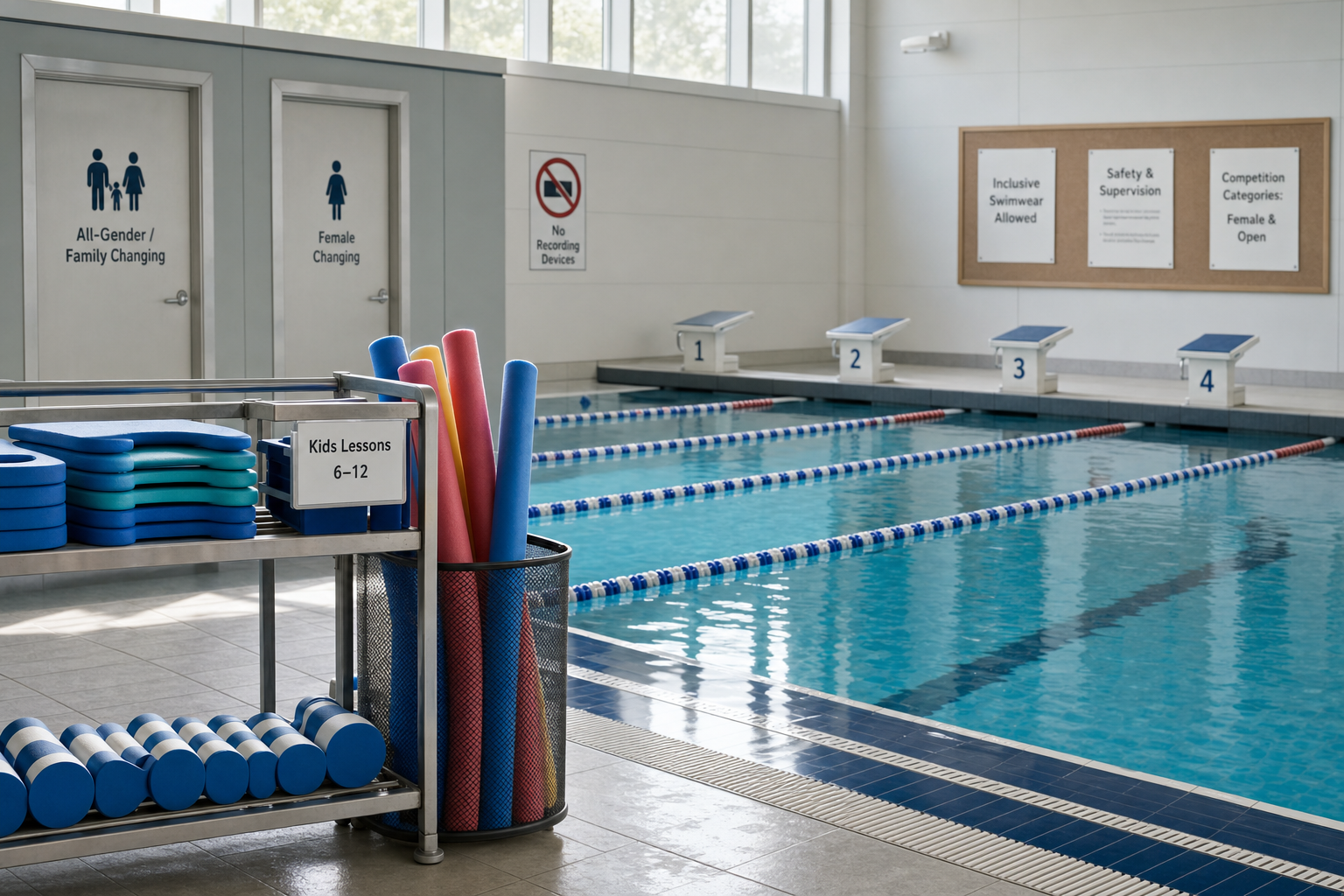
Is your child transgender or nonbinary and excited about swim lessons, but you’re worried about policies around changing rooms, competitions, and safety? You’re not alone—and there’s solid guidance out there to help families of school-age kids (ages 6-12) navigate these waters. Let’s dive into what matters most so your child feels included, safe, and free to simply enjoy learning.
Policies for Competition: Where Does Your Child Fit?
If your child wants to compete, you’ll want to understand how policies differ by country and by governing body. In the UK, Swim England updated its transgender and nonbinary competition policy in September 2023. It creates two categories: Female (for athletes with birth sex female) and Open for transgender males, nonbinary competitors, and others. The policy protects fairness while allowing entry-level competition for all. (swimming.org)
In Australia, Swimming Australia follows the Sex Discrimination Act and aligns with international rules from bodies like World Aquatics and the IOC. As of 2026, policies around eligibility—especially for older kids and elite competitions—reflect these larger frameworks but still strive for inclusion. (swimming.org.au)
In the US, USA Swimming’s Minor Athlete Abuse Prevention Policy (MAAPP) focuses on safety and supervision, including rules around competition, but doesn’t universally set eligibility rules by gender identity in all meets. Local and state laws, plus facility policies, play a big role. (www-usms-hhgdctfafngha6hr.z01.azurefd.net)
Changing Rooms & Lessons: Respecting Privacy and Identity
The changing room can be one of the most stressful parts of swim lessons. This is especially true for trans or nonbinary kids who are growing into their bodies or still figuring out how they feel most comfortable.
In the UK, many leisure providers are now putting in place changing villages—large mixed-use spaces with private cubicles so children can change with a higher level of privacy. One UK facility’s policy (Everybody Health & Leisure) tells transgender users to contact the venue ahead to discuss their options, and always offers identified spaces for trans or nonbinary users. (everybody.org.uk)
In Australia, guidelines from Sport Australia and Swimming WA encourage organisations to design or retrofit changerooms with private cubicles, taller doors, room dividers, and gender-neutral signage to make everyone feel safe and welcome. (sportaus.gov.au)
In the US, Safe Sport recommended practices include allowing minor transgender athletes to use restrooms, changing rooms, and locker rooms that match their affirmed gender identity. If requested, they should also be offered access to gender-neutral or family changing spaces. (usaswimming.org)
Safeguarding: When Buildings, Rules, Supervision Matter Most
When choosing lessons or a club, safety infrastructure matters: you’ll want strong supervision rules, privacy protections, and consistent, well-communicated policies that protect all kids.
If you're working with programmes like Swimy.org, you might also be interested in their 10-Week Plan, a resource for structured swim instruction. It outlines skill-based progress over ten weeks in a way that’s skillful, respectful, and inclusive—allowing time for identity discussions, proper comfort, and confidence building in the water. Use that plan or similar ones when evaluating what lessons will look like. (Check it out here: https://www.swimy.org/10-week-plan)
USA Swimming’s MAAPP policy requires private or semi-private space for minors who request it and bans use of recording devices in changing rooms and locker areas. Staff must conduct occasional sweeps and oversee entry or exit of young swimmers. (gomotionapp.com)
In the UK, Swim England works under its Wavepower safeguarding policy, which demands proper supervision, staff training, risk assessments, and protections around changing rooms. (swimming.org)
[[ctakid]]
Australia’s inclusion documents also highlight the need for confidentiality and for reporting any harassment or discrimination. Breaches of policy are to be taken seriously, managed swiftly, and kept confidential where required. (wa.swimming.org.au)
Practical Tips for Enrollment: What Families Can Do Now
Every country and facility is different. You’ll want to do a bit of prep so you pick a swim program that works well for your child’s identity and needs.
When enrolling, call or visit the swim club/venue ahead of time. Ask about their inclusive swimwear policy (do they allow modest or gender-affirming gear?), their rules for changing rooms (including whether they have gender-neutral or family cubicles), and their policies around competition categories if that’s something your child might want in the future.
Structure lessons so your child can start in private or more friendly settings if possible. Check schedules: in many places swimming lessons have peak seasons in summer or early school term, while competition meets often happen less often and may have stricter rules. Plan accordingly so your child starts strong.
Country-by-Country Quick Comparison: US / UK / AU
United Kingdom: Swim England sets competition rules (Female / Open), leaving changing room rules largely to local operators, with guidance that gender-neutral and village-style or cubicle-rich changerooms are best practice. Equality Act & recent guidance define legal obligations, especially after recent changes in UK codes of practice. (gov.uk)
Australia: Swimming Australia plus state bodies have inclusion frameworks. Broadly inclusive policies around swimwear, using facilities consistent with gender identity, and making safe design changes to changing rooms. Competition eligibility aligns with international rules, especially for older swimmers. (ausport.gov.au)
United States: Policies vary by state, facility, and governing body. USA Swimming supports inclusion, especially for minors, through Safe Sport best practice guidance. Local law and facility design matter. Facilities should provide private changing options, limit adult presence in opposite-sex changing rooms, prohibit recording devices, and allow use of spaces that affirm gender identity. (usaswimming.org)
Avoiding Common Pitfalls
Don’t assume a logo or name guarantees the facility is inclusive—always check specific policies in advance. A “gender-neutral” sign doesn’t ensure privacy or safety if there are no actual cubicles or supervision. Mixed-use change villages are excellent if done well; poorly designed ones can still cause discomfort.
It’s also easy to overlook local requirements: state or regional laws may override club policies, or competitive bodies may enforce stricter eligibility rules. And avoid making changing-room issues only about gender identity—many children, cis or trans, benefit from extra privacy and modular options.
Final Thoughts: Centering Your Child’s Comfort and Growth
At the end of the day, your child’s feeling of belonging, comfort, and focus on learning are what matters. When swim lessons are structured with dignity—private changing where needed, respect for identity, strong safeguarding and supervision—they become safe places not just to swim, but to grow.
Trust your instincts: if a venue treats identity lightly or dismisses concerns about privacy or changing rooms, it might not be the best place. But if a swim club offers clear policies, inclusive facilities, and a culture of respect and safety, it can make all the difference.
No matter where you are—US, UK or Australia—there are good options. And with some planning and questions up front, your trans or nonbinary child can dive in and enjoy every splash.
120+ swimming exercises sorted by age — with video and instructions. Developed by swim instructors, completely free.
120+ swimming exercises sorted by age — with video and instructions. Developed by swim instructors, completely free.