Understanding Your Baby’s Startle Reflex in the Pool: Gentle Ways to Build Water Confidence
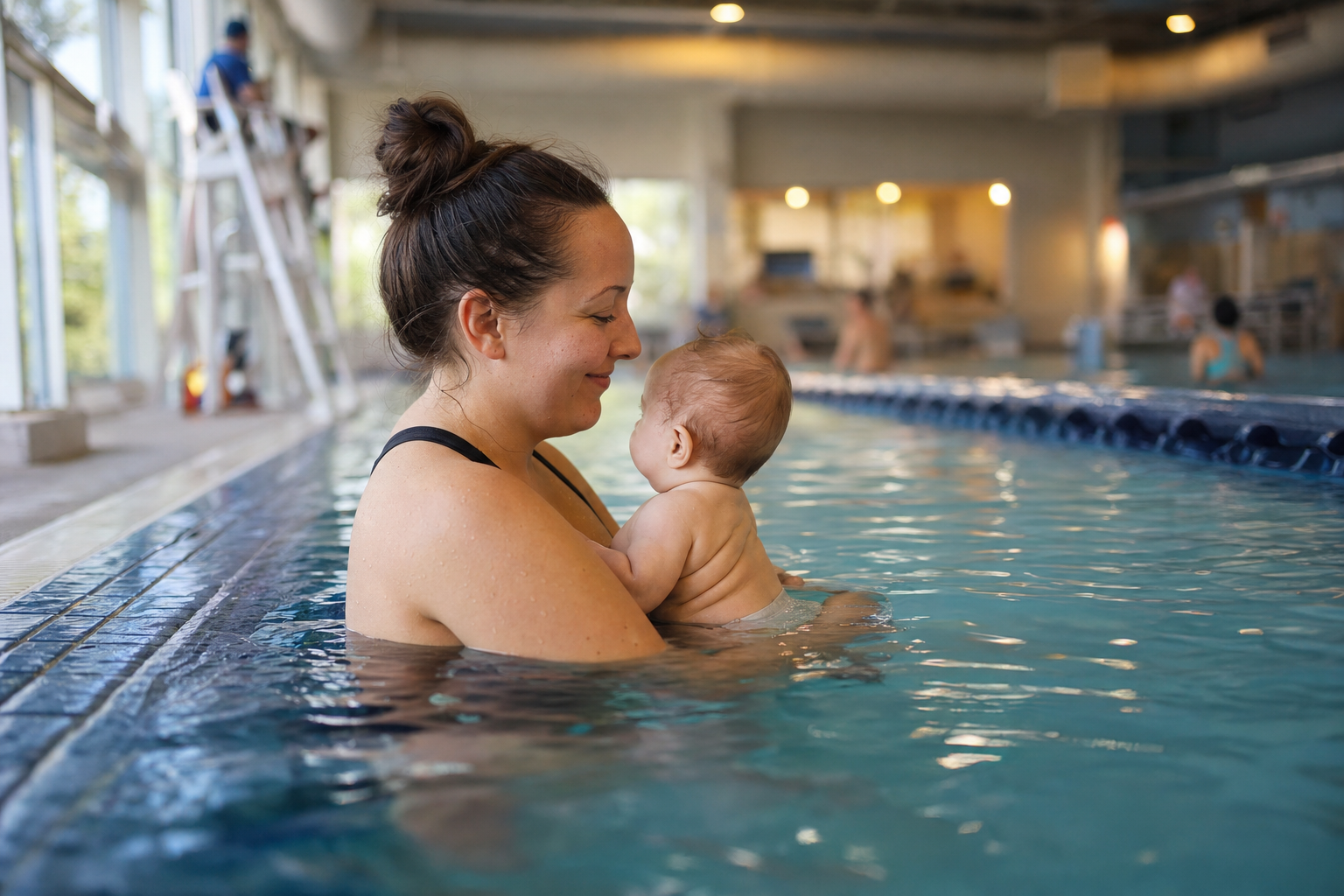
If your infant flinches, stiffens, or cries with every splash or echo at the pool, that’s usually not a sign they hate swimming—it’s their startle reflex (the Moro reflex) kicking in. This reflex is strongest in newborns and typically fades by 3-6 months of age. It’s triggered by sudden noises, unexpected movement, or changes in their position—all of which can happen easily in a swimming pool.(healthline.com)
Calming your baby isn’t about pushing through discomfort—it’s about helping them feel safe. By using gentle holds, gradual introductions, and tuning in to their emotional cues, you can turn these frightening moments into ones of trust and enjoyment for both of you.
Why Babies React Strongly to Water
Even very young infants are processing a tidal wave of new sensations. Cold water splashes, echoes bouncing off walls, unfamiliar scents of chlorine, your voice sounding different underwater—they all can trigger the startle reflex. Add in a sudden shift in how they’re held or if their head tips back, and it’s easy to see why they stiffen or cry. This isn’t dislike of water yet, but a perfectly normal survival reflex.(healthline.com)
Strategies for Slowing Down Sensory Introductions
Take a step-by-step approach. Start at home in the bathroom first—pouring warm water gently over their arms, letting them kick their legs, feeling the water’s texture. When you go to the pool, plan for short, calm visits rather than full swim classes right away. Ask yourself: is the pool too loud or busy? Is the water temperature comfortable (about 32°C is often recommended for babies under 6 months in Australian guidance)?(pregnancybirthbaby.org.au)
If your baby is younger than six months, formal swimming or water safety programs are generally not recommended in Australia. It’s best to check with your GP or paediatrician about whether your child is ready.(pregnancybirthbaby.org.au)
When the time is right, you might follow a soothing progression plan like the balanced “10-Week Plan” from Swimy.org, which introduces water exposure gradually while teaching parents calming holds and paced practice.(swimy.org)
If you want a structured way to build water confidence at home, the 10-Week Plan guides you step by step.
Calming Holds: How to Hold Baby to Reduce Startle
You are your baby’s first refuge in the water. How you hold them matters. One great pattern is a front-hold, face-to-face, with your hands under their armpits. That gives them support, lets them see your face, hear your heart, and feel your body—safe anchors in a sensory storm. Keep their chin up, never let their head fall back unexpectedly.(swimy.org)
[[ctababy]]
Moving slowly helps. Avoid bouncing, sudden dips, or shoving their face toward water. Those motions trigger the reflex. Whisper your voice, hum a song, swish the water in soft waves rather than big splashes. Let them observe more than participate at first. Let them reach for familiar toys while you support them. Let the pool become a place of gentle discovery.(calmfamily.org)
Recognizing When to Pause Instead of Pressing On
You may have heard people say “keep trying” when babies protest in the pool. That advice can lead to more fear. Instead, watch for signs: clenched hands, arching back, wide eyes, freezing motion—or crying that won’t settle after switching holds. Those are cues to slow or stop. Coming out for a break, snuggling dry, offering milk, or a warm towel can reset the emotional tone. Taking breaks often prevents a meltdown that sticks.(calmfamily.org)
When you notice gradual improvement—less flinching, more relaxed posture, quieter moments—those are progress. Celebrate them. Baby swimming is as much about emotional safety as skill building.
Looking Ahead: Age, Readiness, and Long-Term Benefits
By around six months, most babies begin to have more control over their Moro or startle reflex. It fades, letting them respond more smoothly to pool play and water games. Until then, swims should stay parent-led, warm, calm, and always with close supervision.(healthychildren.org)
Australian advice recommends starting formal swimming or water safety programs from around six months, allowing time for physical development, immune readiness, and for parents and babies to build foundational comfort with water.(pregnancybirthbaby.org.au)
Over time, as fear declines and confidence grows, babies can learn to respond naturally to water’s buoyancy, sound, and motion—leading to fun, fitness, body awareness, and safety down the road.
Practical Tips You Can Try Tonight
Warm bath first—try slow tricks like wetting arms, face, legs before any deeper immersion. Speak softly, hug tight. Keep towels ready, so the moment water becomes too intense, you can tuck in and soothe. Visit a pool when few people are there. Enter features gradually: steps first, walk, then float with your hold. Keep sessions short—five to ten minutes—and always cloth-dry and calm before heading home. Above all, trust your baby’s cues. They will tell you when it’s time to pause and build again tomorrow.
Startle reflex is not a swimming lesson failure—it’s part of how babies learn to feel safe in water. With gentle exposure, thoughtful, calming holds, and the patience to pause, you’ll help your baby move from flinching at splashes toward playful confidence in the pool.
Always consult your paediatrician or GP to tailor any plan to your baby’s needs and timing. Your care and calm presence are what makes all the difference.
120+ swimming exercises sorted by age — with video and instructions. Developed by swim instructors, completely free.

120+ swimming exercises sorted by age — with video and instructions. Developed by swim instructors, completely free.