Vertical Kick Builder: Deep-End Leg Strength for Ages 8–12
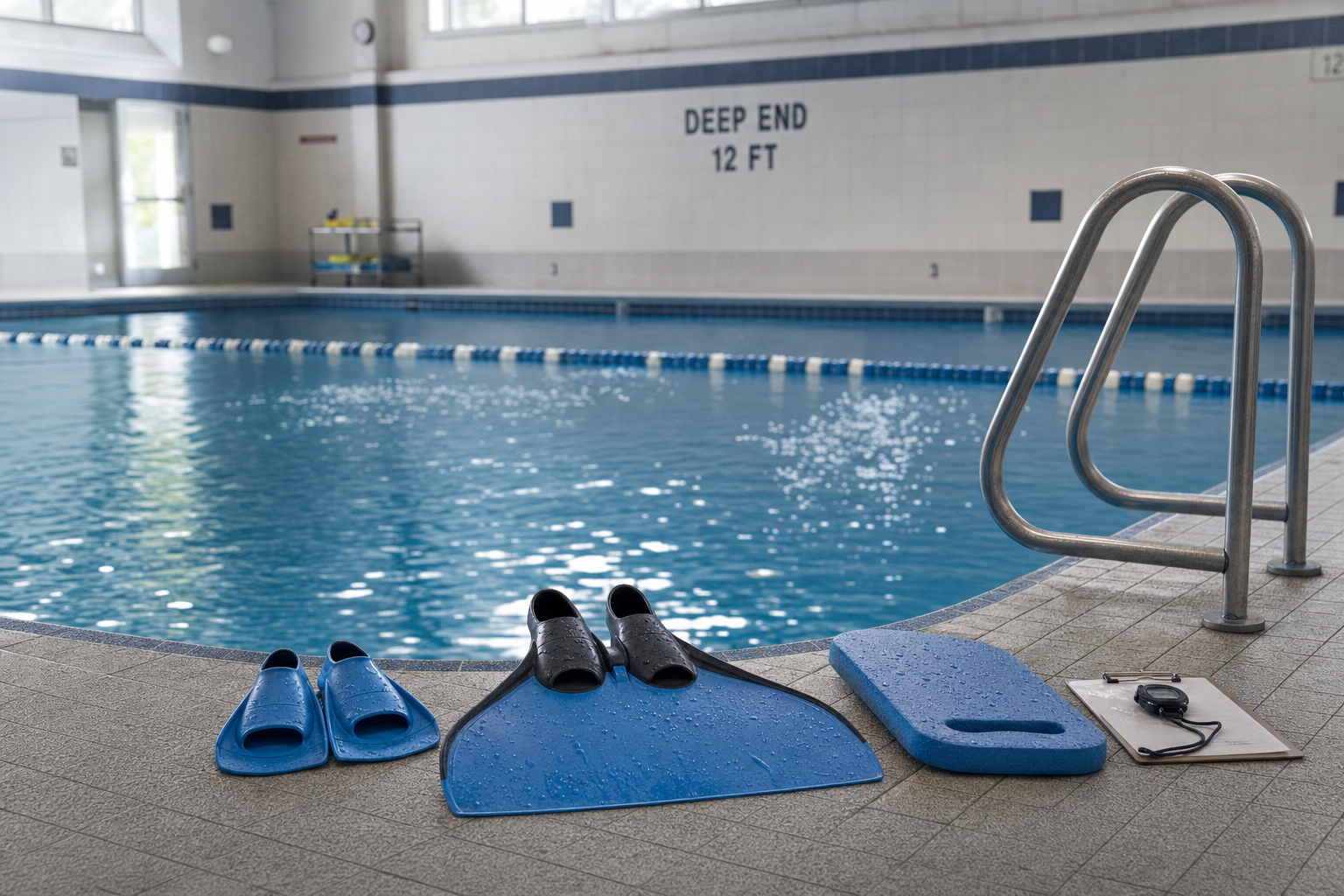
Want strong legs, a tall bodyline, and flutter-kick strength in just a few minutes per session? Here’s how short sets of vertical flutter and dolphin kicks in the deep end can make all the difference—without needing extra lane space and without ever turning practice into a dangerous breath-holding challenge.
Why vertical kick drills help kids 8–12 swim better
Vertical kick drills force children to use their whole legs—from hips to ankles—while keeping a tall, streamlined bodyline in the water. The resistance of water in a stationary, vertical position makes every flutter kick count. It builds leg power, develops core strength, and improves alignment: the key to efficient swimming. According to expert coaching principles, these drills sharpen the flutter kick, engage the dolphin kick muscles, and support freestyle, backstroke, and butterfly by strengthening the kick’s timing and rhythm. (usms.org)
How to do this safely—deep end only, always
Depth check and adult supervision
Begin every session only in the deep end, where your child’s head is well above water while kicking vertically. Before even stepping in, do a depth check. Teach your child to always stop at the edge, look down to confirm it’s deep enough, and ensure an adult is watching. Feet first entries only until confidence is full. (waterwisekids.com)
Cap reps and avoid fatigue
Vertical kick drills are intense. Children ages 8–12 should do short bursts: maybe 5 to 20 seconds of kick, followed by equal or longer rest. A safe option might be 6 × 15 seconds of vertical flutter kick with 30 seconds rest between reps. Once tired, slip into an easy swim or float. This helps avoid sloppy posture or endless struggle—a common pitfall. (diverescueintl.com)
No breath-holding contests
This drill should never become a test of how long a child can stay down or under the water. Their nose and mouth stay above the surface. Use the hands (underwater first then higher or even out of the water) to help balance. Always monitor that kids are breathing normally, not gulping air or turning red. It’s about strength and posture—not underwater endurance stunts. (triathlete.com)
[[ctakid]]
Drill structure: flutter and dolphin kick progression
Here’s a step-by-step layout you can follow:
Start with flutter kick drills: arms under water or along the body for support, lower torso vertical, compact kicks from the hips. Once the child demonstrates control, progress to short dolphin kick bursts: core tight, legs moving together like a mermaid tail.
If you want a structured way to help your child progress at home, the 10-Week Plan guides you step by step.
Apply rest ratios proportionate to effort: e.g. 1:1 rest when near fatigue, 2:1 rest when pushing effort. Set total drill volume to maybe 1 to 3 minutes per session total vertical kicking at first, gradually increasing. Mix in variations while keeping hands close or high, even out of the water, to challenge alignment while still keeping safety. (swimlikeafish.org)
Tips parents should know: timing, posture, common errors
Timing & rest
Do these drills when the kid is fresh, not at the end of a long swim when fatigued. Keep rest long enough so each effort includes full power—short effort, solid recovery. In many vertical kick sets for adults, a rest ratio of 1-2× the effort is recommended (e.g., 20 seconds kick, 40 seconds rest). Adapt for 8–12-year-olds to avoid overtiredness. (cd2.usms.org)
Posture & alignment checks
Eyes forward, ribcage tall, shoulders stable. No leaning, no bending at the knees. Toes pointed, ankles flexible. If legs flail, knees bend too much, or torso sways sideways, stop, reset, shorten reps. Sloppy posture wastes energy and weakens results. Practice in front of a mirror if possible or have a video to catch early form breakdowns. (swimlikeafish.org)
Integrate with your child’s practice plan
It’s great to plug this drill into their weekly swim schedule. For example, between regular swim-set workouts, add one vertical kick session. If you want a structured plan that balances kick drills, swim technique, rest, and skill practice, something like the 10-Week Plan from swimy.org gives a road-map that works across age 8-12 to build progression safely and steadily. (swimy.org)
Expert guidance & avoiding pitfalls
Experienced coaches warn against several pitfalls. First, unsupervised deep-water vertical kicking can lead to panic or unsafe entries. Always stay close, watch breathing, and intervene early. Second, avoid making this a competition about who can stay longer or go under—breath-holding spikes risk and distracts from learning quality flutter kick strength. Third, weed out sloppy posture—if legs are bent like bicycle pedals, feet are dragging, or knee break is large, reset the form. Quality over quantity wins here. (usms.org)
How often & how much for best results
Two or three times per week may be enough, kept short and impactful. Start with 1 minute total vertical kicking (split into many small reps) per session, then build to 2-3 minutes. Monitor fatigue: if the child’s flutter kick strength or bodyline drops, stop for the day. Overworking the legs or core can backfire—better to do steady progress. Some families combine vertical kick work with regular kick sets, wall kicks, and core drills. Together, they reinforce good flutter kick rhythm and growing leg power without needing extra pool length. (swimlikeafish.org)
Children ages 8-12 are at a sweet spot where drills like vertical flutter and dolphin kicks—done with care, structure, and supervision—build serious strength without additional lane space. Keep sessions short, focus on posture, ensure breathing stays comfortable, cap reps so fatigue never takes over. With time, you’ll see taller bodylines, stronger kicks, and more efficient swim performance—and your child will love that power.
120+ swimming exercises sorted by age — with video and instructions. Developed by swim instructors, completely free.

120+ swimming exercises sorted by age — with video and instructions. Developed by swim instructors, completely free.