When Your Baby Hates Water Near Their Ears: What’s Going On and What You Can Do
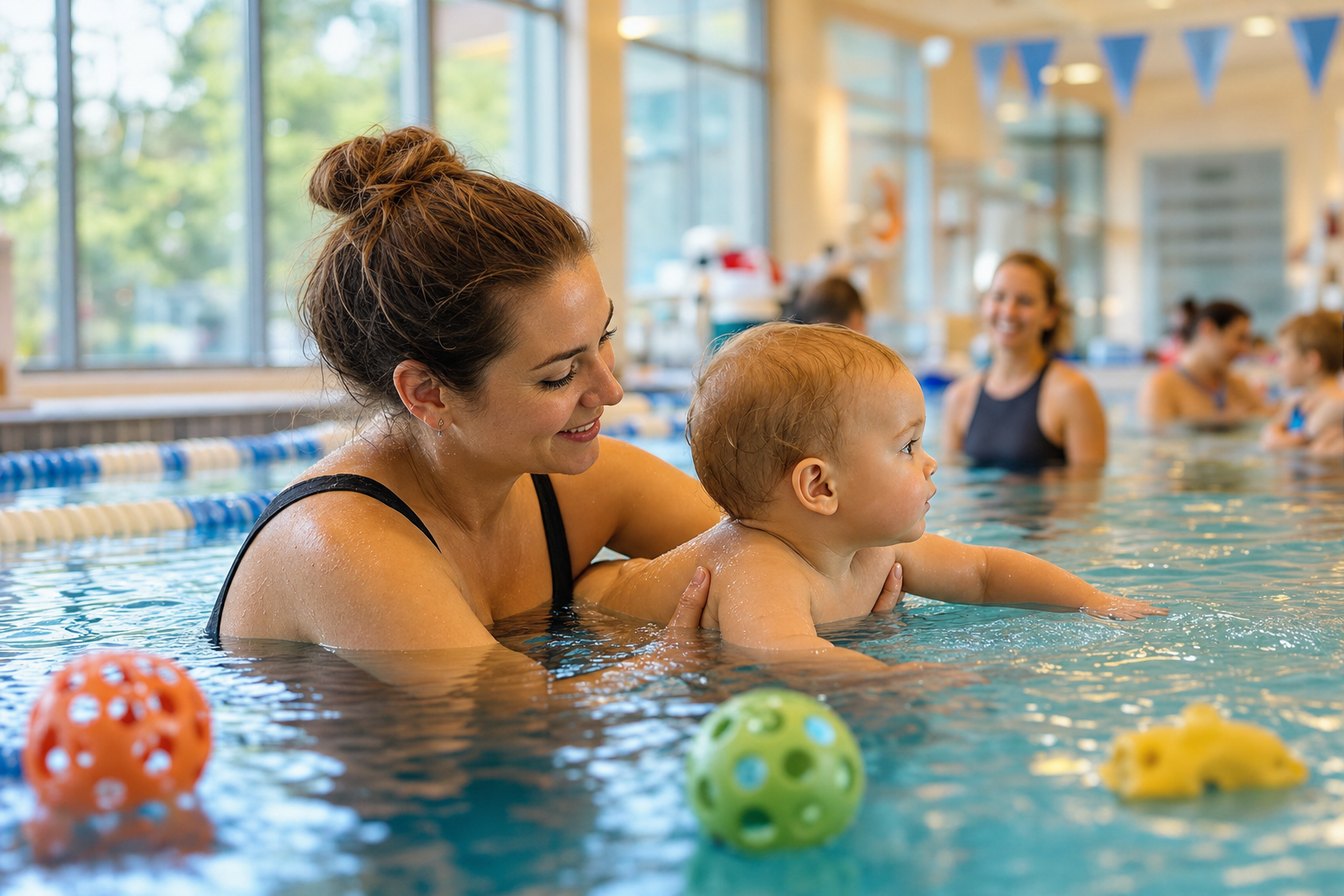
Babies between 3 and 30 months may splish and splash with joy, yet suddenly start crying when you try a side hold, attempt a back float, or let water sit at ear level. It might feel confusing—but this shift usually has a reason. The most valuable thing to know first is that discomfort near the ears isn’t always a red flag for infection, but sometimes it is. Let’s dig deep.
Why Water Near the Ears May Upset Babies
Some babies have a strong dislike of water in ears simply because of sensitive sensory processing. The sound, sudden splash, fullness, or pressure from water near or in the ear canal—even without infection—can feel overwhelming. These reactions often happen during side holds or back floats when ears are close to or under water.
On the medical side, two common ear issues can explain sudden pain or distress. First, otitis externa (often known as swimmer’s ear) is an infection of the outer ear canal. It can sting when water gets trapped and bacteria grow. Symptoms include painful tugging at the ear, redness, and increased sensitivity to touch. Second, otitis media occurs when fluid builds up behind the eardrum. Babies who are younger than 3 years are especially prone to middle ear fluid due to their short eustachian tubes. This condition might not always show clear signs, but it can trigger complaints about fullness, muffled sounds, discomfort while swallowing or lying down. (chkd.org)
If your child starts crying when tilted back, seems sensitive to ear-level water, or suddenly dislikes back floating—a valuable floating safety skill—take it as a strong clue there may be pain rather than just dislike.
How to Help Your Baby Relax: Gentle Games and Sensory-Friendly Pacing
You can help retrain comfort around water near ears by introducing slow, playful exposure rather than avoiding the issue or forcing your baby into uncomfortable positions.
Start with easy sensory introductions. Use warm water and let your baby feel it with their hands, arms, chest—never pour water over the ears or rinse the hair just yet. Build trust. Then move to soft splashes near ears or drip water from fingers to make it less shocking. Music, bubbles, toy rescue games where they lean sideways to pick something up, or blowing bubbles against the cheek help build confidence. (sgsinkorswim.com)
For back floating, begin with your baby lying on your shoulder or chest underwater but upright so their ears stay dry or only lightly touched. Let them get used to your support. Later you can try supported back floats—one hand under the back, head aligned—and gradually reduce support as they show comfort. Never force their head back or let water fully cover ears before they are clearly ready.
Sheltering sessions to fit into their natural rhythms matters too. Pools that are around 87-94°F (31-34°C) are generally comfortable for under-3s. Timing matters: choose swim time well after a nap and snack. Over-tired or hungry babies are more reactive. (swimy.org) In that same window—roughly 30 to 60 percent through your overall plan to build comfort—you might try a structured program. One example is the “10-Week Plan” of swimy.org, a structured, step-by-step approach designed for parent-child water familiarization, building basic safety skills and confidence rather than rushing into strokes. (swimy.org)
[[ctababy]]
When Dislike Becomes a Concern: Distinguishing Normal Fear from Pain or Infection
Sometimes, crying or fear around water near the ears is normal for development or temperament. But certain signs mean you should consider medical advice. If your baby develops a fever, ear drainage (yellow, white, or bloody fluid), persistent or severe pain, or shows signs like constant ear pulling and trouble sleeping, these are red flags. (healthychildren.org)
Another clue is if your child suddenly rejects back floats (which they tolerated before), or appears stiff, when water touches one side of the head. Also, muffled hearing or seeming unresponsive to soft sounds can hint at fluid in the middle ear. (rchsd.org)
Avoid trying to clear water by sticking cotton swabs or inserting drops unless prescribed—these can push water, wax, or bacteria deeper and lead to infection. Nor should you force the head back during float practices. If symptoms persist over 24-48 hours, especially with any swelling or drainage, check in with a pediatrician. It’s better to rule out an ear infection than to let it worsen.
Safety and Practical Tips
Choose shallow, calm water environments without large waves or strong currents so you have complete control over how the water touches your baby. Keep sessions short—5-10 minutes at first for the youngest (3-6 months), longer as comfort builds. Use towels or caps to cover ears when not practicing water near ears or back floats. After swim time or bath time, lean the baby’s head to one side and gently dry the outer ear. Drying helps prevent swimmer’s ear, especially in humid settings. (livescience.com)
For toddlers who love splashing but dread ear-level water, try framing ear contact around games where they control the direction: pouring water over arms first, then cheeks, then just under ears. Control builds safety and confidence.
Final Thoughts
A baby who cries during back float or avoids side holds with water near ears is often telling you something: discomfort, fear, or possibly pain. Start gently with sensory-friendly play, pace exposure, and build trust. Use structured plans like the 10-Week Plan to guide you without pressure. Watch closely for signs that point beyond normal dislike and toward potential infection. And always avoid forcing positions where ears are fully submerged before your baby is clearly ready. With patience and care, many babies learn to float, enjoy back support, and stop being “scared ears in pool” moments. And if in doubt, medical guidance is your safest move.
120+ swimming exercises sorted by age — with video and instructions. Developed by swim instructors, completely free.

120+ swimming exercises sorted by age — with video and instructions. Developed by swim instructors, completely free.