When Swim Class Uses a Substitute: Keep Your Baby Safe and Calm
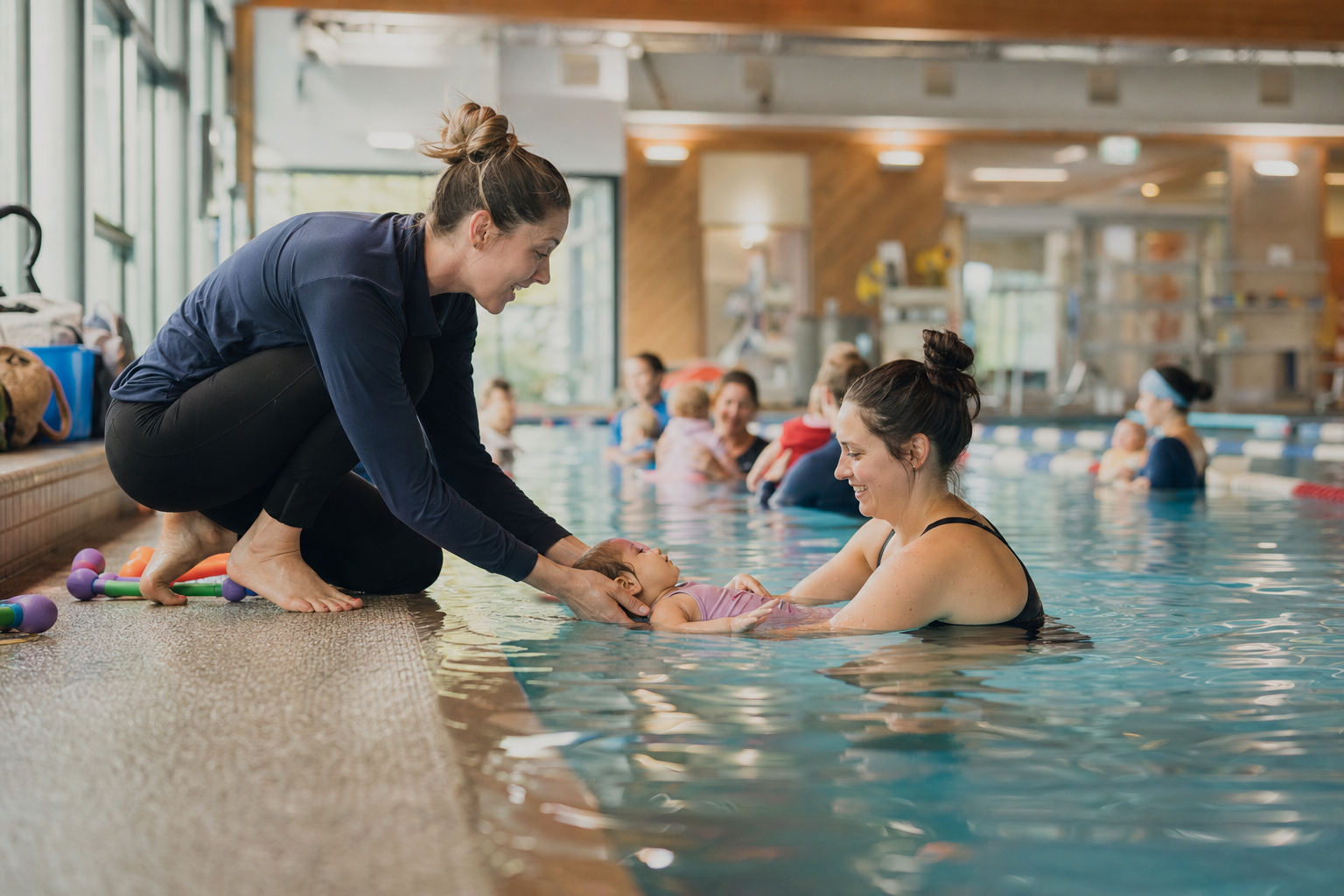
When you walk into swim class and see someone unfamiliar leading with your toddler or baby in the pool, it can feel unsettling. The most important thing to do right away is to restate your child’s boundaries: no dunking, any medical or sensory restrictions, and what makes them comfortable. Being proactive helps keep safety and routine consistent even when the instructor is new.
Repeat the Critical Information Immediately
When your baby swim substitute teacher first arrives, you won’t know if they’ve read all the notes in the booking system. Start by clearly saying your child’s medical details like asthma, ear infections, or allergies. Mention if your baby dislikes water in their face or needs a quiet voice. Then, clearly restate “no dunking”—this isn’t just about comfort, it’s about trust. Often what instructors mean by “submersion” can vary, so clarify what you’re okay with: maybe a dip of chin or nose but nothing sudden or forced.
Repeat safety boundaries often: swim diapers fit snug? Yes. Water temperature acceptable? Above 30°C (87°F) ideal for infants and toddlers? Definitely. How many submersions, how long, whether songs or visuals help—these are not optional details. According to the USSSA Infant Toddler Guidelines, classes for kids under three should have instructors trained in infant and toddler swim education, and swim diapers with proper fit are required to prevent leaks.(usswimschools.org)
What Routine Details to Restate
Consistency helps babies learn and stay calm. Was the routine normally: warm-up song, bubbles, supported float, then kicking? Restate these steps so the substitute can follow them. If your swim school uses something like the 10-Week Plan from swimy.org, you might briefly say: “We’ve been following the 10-Week Plan, so today we were up to floats with support and gentle submersions—no forced dips.” Mention favorite songs, toys, or cues your baby responds to. This helps the new instructor pick up where the regular one left off.
Also make sure safety routines are clear. Parent stays within arm’s reach? Always. No child left alone at the pool edge? Absolutely. Use gentle language if you need to interrupt and check with substitute teacher: “We always start with the name song, because it helps him know what’s expected.” That kind of structure soothes babies and toddlers who notice change.
If you want a structured way to build water confidence at home, the 10-Week Plan guides you step by step.
Know When It’s Reasonable to Observe Instead of Pushing On
If your child seems anxious or distressed with a substitute teacher, it’s okay to shift into observer mode. Maybe stand beside the pool deck first, or sit in the water partially with them. If the substitute tries a new skill like submersion and your baby isn’t ready, say so. You know your child best.
[[ctababy]]
Sometimes a class taught by a new swim instructor toddler or baby swim substitute teacher will follow the same lesson plan, but the way they use cues, timing, or supports may differ. If you see that safety or comfort is compromised, pause and ask to resume your usual routine. Don’t feel guilty—your child’s trust and stability matter more than hitting every milestone in one session.
Expert Insights and Research Backing
The American Academy of Pediatrics in its July 2026 statement emphasizes keeping parents or caregivers within arm’s reach (often called “touch supervision”) during swim classes for infants and toddlers to ensure safety. The policy says swim lessons should begin after a child's first birthday, but that alone doesn’t remove responsibility for detailed medical or sensory boundaries.(healthychildren.org)
Guidelines like those from the United States Swim School Association underline that instructors must be trained in infant–toddler swim education and water safety, and that swim diapers must fit properly and be used every time.(usswimschools.org) Similarly, swim programs often rely on repetition of routine songs and actions so young children can anticipate what comes next—this helps new instructors integrate smoothly.(chicagobluedolphins.helpscoutdocs.com)
How Parents Can Help the Substitute Teacher Settle In
Approach with the mindset that a substitute teacher wants to get things right but may need your help. Introduce yourself, tell them your child’s name, signal or game that helps, or a song your baby loves. Ask the teacher to walk through the lesson in brief so you can spot if something like a dunk or submergence is coming and voice your concern ahead of time.
If possible, show them the weekly schedule or visual cues tracker so they know where your child is in their skill progression. Many swim schools train substitutes using the same curriculum so terminology is similar, but only if those handovers are made clear.(seaotterswim.com)
Final Thoughts
Change is inevitable—substitute teachers happen—but a baby swim class routine doesn’t have to crumble. You are your child’s advocate. Restating medical and sensory boundaries, reinforcing “no dunk,” and reminding what comfort routines work goes a long way. You can observe until you see safety and trust in place, and it’s okay to pause or request adjustments. Together with a caring substitute, your little swimmer can keep making progress—and stay calm, confident, and safe in the water.
120+ swimming exercises sorted by age — with video and instructions. Developed by swim instructors, completely free.

120+ swimming exercises sorted by age — with video and instructions. Developed by swim instructors, completely free.