Which Stroke First? The Smart Sequence for Ages 3–12
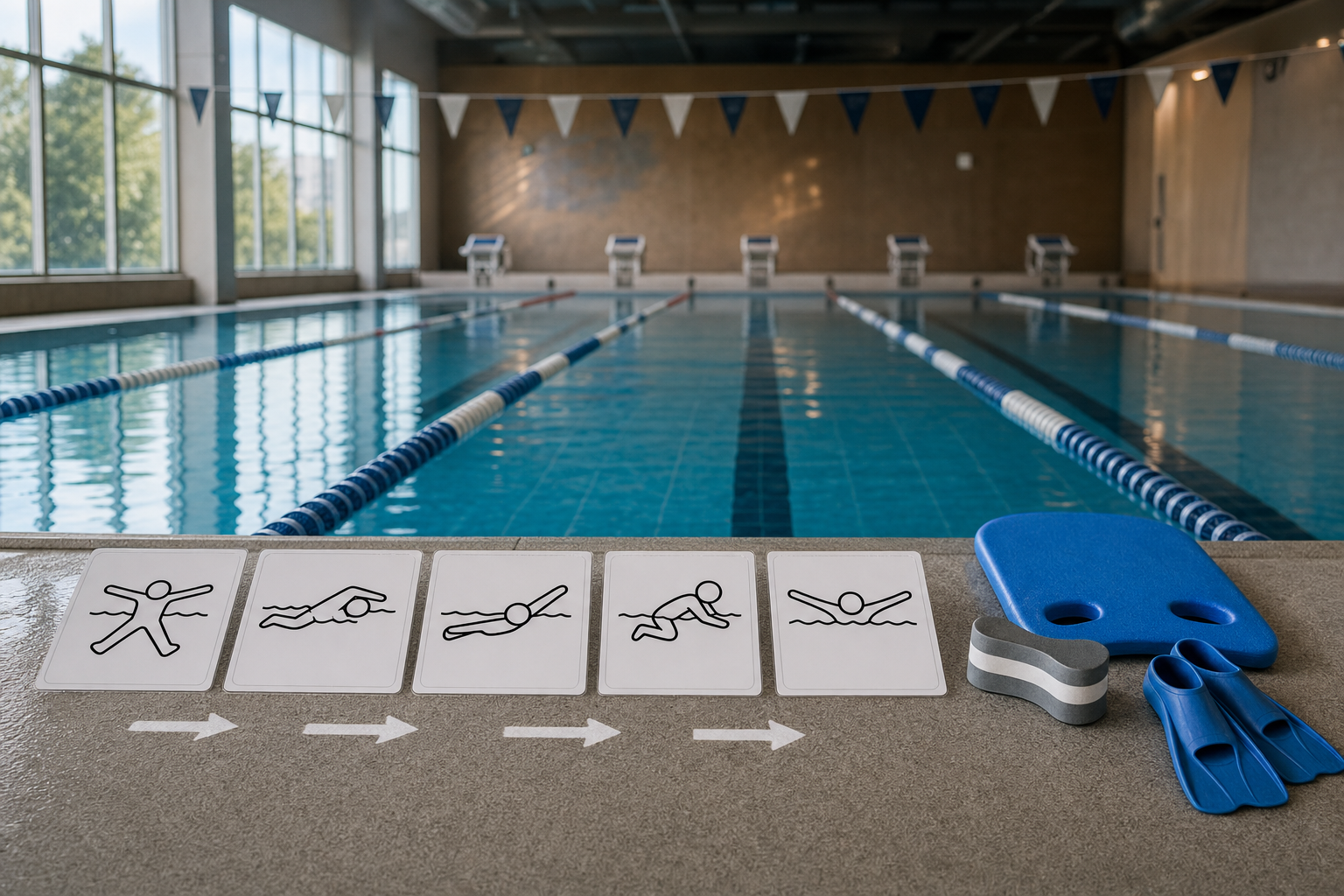
Right away: if you're wondering what’s the best stroke to learn first for children aged 3–12, the evidence is clear. Start with water confidence, then teach front crawl (freestyle) and backstroke, before adding breaststroke, and only later butterfly. That sequence cuts down on plateaus, avoids bad habits, and ensures each stroke builds on what’s already mastered.
What top programs teach and when
Swim England’s Learn to Swim Framework stages show strokes and skills introduced, developed, then finally mastered in a patterned order. According to its guidance, children first learn safe water skills like entry, floating, streamlining and body position (Stages 1–2) before front crawl and backstroke work becomes a focus. Breaststroke kicking is introduced early (Stage 2), developed in Stage 3 and more fully realised by Stage 4. Butterfly features last in full stroke form, becoming more competent only in Stages 5-7.(swimming.org)
The Red Cross Learn-to-Swim levels, commonly used in the USA and elsewhere, follow a similar path. Levels 1–2 focus on water comfort, floating, basic front/back movement. Level 3 introduces front crawl and elementary backstroke, plus breaststroke kick and dolphin kick drills—but not full breaststroke or butterfly yet. Full stroke improvement comes only in Levels 4-6.(fac.npaschools.org)
Comparisons between Swim England, Red Cross, and programs like YMCA show this pattern repeated across regions and lesson plans: build confidence first, then front/back, then breast, and only then butterfly.(swimy.org)
Why this order works best
Backstroke and front crawl both use flutter kicks and easier breathing patterns; children often find it less overwhelming to learn these. Because both strokes share similar body positions and kicking techniques, early focus here builds transferable skills. Breaststroke and butterfly involve more complex timing, muscular coordination, and body shape; pushing them too soon often leads to illegal habits that are hard to retrain and can strain tiny joints.
One practical tool: the 10-Week Plan at swimy.org, which outlines a methodical way to help swimmers develop front crawl and backstroke before breaststroke and butterfly, with early emphasis on balance, breathing, body position, and kick. It’s not a substitute for formal training but works well as supplementary practice. https://www.swimy.org/10-week-plan
[[ctakid]]
Another frequent mistake: pushing distance before quality. If a child can swim many meters of front crawl but with poor body alignment or hyperextended neck, the bad technique becomes fossilised. It’s far more productive to swim shorter distances with excellent form than long ones with mistakes.
What parents should look for in lessons
Choose swim lessons aligned with frameworks like Swim England’s Stages 1-7 or the Red Cross Levels 1-6. Ask about what your child will be taught at each level. Are they learning front crawl arms yet? Is breaststroke kick introduced early but full stroke later? Will they be exposed to butterfly drills only after mastering the basics?
Stroke-by-stroke roadmap for ages 3-12
Water confidence (ages 3-5): Safe entries, submersion, floating, supported glides, blowing bubbles.
Front crawl & backstroke (recommended from about age 5): Introduce basic kick and arm patterns, gentle breathing drills. Backstroke helps with breathing, rotation and body alignment.
Breaststroke (roughly ages 5-8): Start with kick and timing fundamentals. Full stroke comes later, once front/back tech is reasonably solid.
Butterfly (around ages 8-12 and beyond): Begin with dolphin kick and body undulation drills; only after strength, timing, body position are good should full butterfly arms be added.
Some children may progress faster or more slowly; the frameworks allow for this. But always make sure early stroke work includes correct body line, relaxed head position, proper leg action, and controlled breathing.
Avoiding common pitfalls
Don’t push butterfly prematurely. Strong butterfly arms with weak core or unstable body position can cause shoulder strain or reinforce bad habits.
Don’t chase distance over technique. Swimming more laps with poor form does more harm than swimming few laps well.
Don’t overlook individual pace. Some children may need more time on front crawl and backstroke before adding breaststroke; others may pick up breast kick quickly but struggle with butterfly.
Summing up: Learn-to-swim order that builds strength
A child aged 3-12 will benefit most when they begin with water confidence, move to front crawl and backstroke, then breaststroke, and finally butterfly. Swim England’s Stages 1-7 and Red Cross Levels 1-6 both reflect this order. Focusing on quality over distance, respecting the complexity of each stroke, and progressing at your child’s pace means fewer plateaus and fewer bad habits to unlearn.
If you want your child to thrive in swimming—not just finish, but actually enjoy safe, efficient technique—this is the smart sequence. Let me know if you want drills or tips for each stage.
120+ swimming exercises sorted by age — with video and instructions. Developed by swim instructors, completely free.

120+ swimming exercises sorted by age — with video and instructions. Developed by swim instructors, completely free.