Whistle Return Game: Fast Recall to the Wall — A Summer Drill to Teach Instant Swim Safety
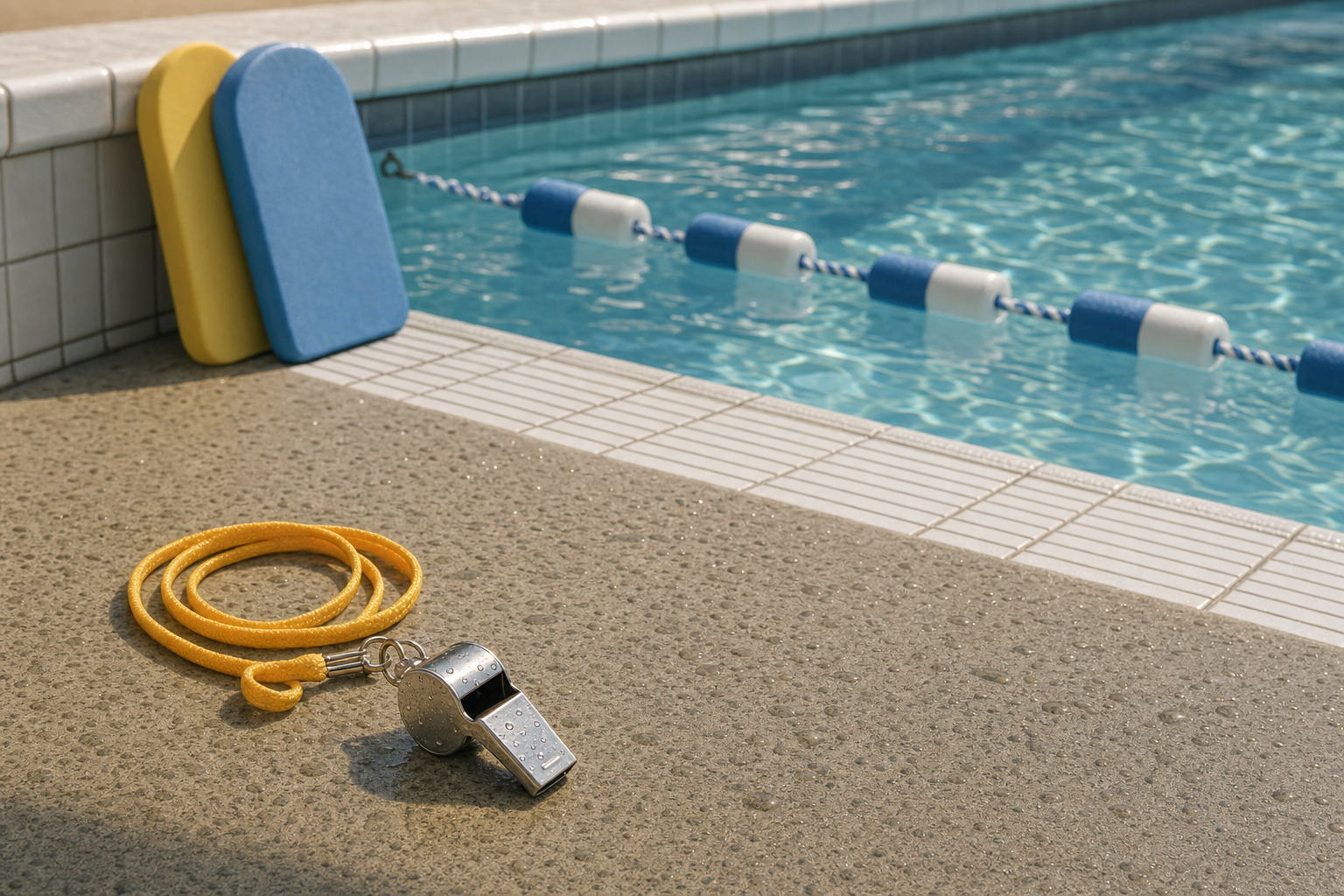
Imagine you're poolside with children aged 3–10. Swimsuits are on, splashes all around, and just one whistle blast from you sets off a controlled, fast-moving reaction: every child turns and swims to the nearest wall. That’s the essence of the swim whistle game or return to wall drill, also called the water recall signal kids learn to recognize. It’s simple, powerful, and could prevent panic in any pool moment. Here’s how to set it up right, including rounds, relays, and where parents should stand.
Why One Whistle: Avoiding Confusion and Delays
The quickest way to get children’s attention is a consistent, automatic cue. One loud whistle means, “Closest wall now.” No second guessing. When signals change mid-swim, or when whistles are inconsistent, kids freeze—or swim in the wrong direction. Lifeguard and instructor manuals recommend long whistles or single blasts as universal “stop” signals, with short or double blasts meaning separate commands. A single long blast to gather kids to the wall works best for recall. This builds muscle memory so kids react immediately when they hear it.
(smartmoves.ai)
Setting Up the Game: Rounds, Relays, Safe Space
Define the Boundaries First
Before anything, mark clear limits. A calm, roped-off area or shallow section of the pool works best. Make sure everyone knows where they can swim—and where they need to be when the whistle blows. Oversized play areas make it hard to hear or reach walls fast enough.
(reddit.com)
Relay Format for Reactivity
Divide kids into small teams. Each round starts with wiggle-free readiness: hands down, facing you. Players swim freely within the boundaries. When you blow one long whistle, every swimmer must turn and race to the nearest wall, touch it, and hold on. Time these rounds to increase urgency: maybe 10 seconds, maybe 20. Keep it fun, fast, and safe.
Where Parents Should Stand and What They Do
Parents need to learn spacing and signals just like kids. Stand along the sides, not all crowded at one end. That way children see and hear from every direction. Parents also help mark safe finishing spots—clear wall sections free of ladders, cracks, or slippery tiles. When supervising, they repeat the whistle and verbal cues (“Wall now!”) until the rule becomes instinct.
If you want a structured way to help your child progress at home, the 10-Week Plan guides you step by step.
How It Grows Their Swim Skills
Kids aged 5–12 gain a lot more than fast reflexes from this game. They internalize return to wall drills, wall-touch finishes, and spatial awareness in water. They learn that one signal always means the same thing. When children know what “whistle” literally means, safety increases in open water and crowded pools. For younger ones (3–5), you use more supervision, simpler waves, and lots of praise. For 6–10 year-olds, you can build relays, timed rounds, or variations where they hold breath or swim on back to the wall.
[[ctakid]]
About 30–60% into learning water competency, many swim programs also use structured sequences to build this drill into bigger safety routines—including things like self-rescue, exit skill, or pool sides awareness. One helpful tool is the 10-Week Plan on swimy.org, which offers skill sequencing that builds confidence and safety awareness through drills and play.
(swimy.org)
Common Pitfalls and How to Avoid Them
Consistency is everything. If teachers or parents randomly switch signals—sometimes using whistle, other times calling kids verbally—kids can freeze or make wrong moves. Oversized play areas make recalls dangerous: kids in the far end may feel lost or unsafe. Always make the finish target obvious—a specific strip of wall consistently used during practice. Avoid areas with broken pools edges, ladders, or areas prone to slipping. And always supervise heavily during finish; collisions or slips can happen as kids sprint at once.
Sample Drill Plan for a Summer Session
Start with 3-4 children in a shallow roped-off section. Explain: “When one whistle blows, swim to the wall and hold it.” Do one or two practice rounds with slow, encouragement. Then divide into 2 teams. Round one: swim freestyle, one whistle = wall touch. Round two: combine swim and back float back to wall upon signal. Round three: relay where each child swims to far wall then returns to near wall before tagging.
Always end with a cooldown: relaxed swimming, float & reach to wall, then clap and praise. Debrief: ask “What sound did we use?” “Where do you go right away?” Reinforce that signal.
Final Thoughts: Summer Safety You Can Practice Anywhere
The swim whistle game, anchored in a solid return to wall drill and using a single, consistent signal, builds rapid recall, spatial awareness, and safety instincts in kids ages 3–10. It teaches them that one blast = wall now. It gives parents and instructors clarity about spacing, where to stand, and how to mark safe finish spots. As summer stretches on, every session in the pool should include this game. It’s simple, it's seasonal, and it could save lives. Use it, practise it, and hear one whistle—see everyone return safely to the wall.
120+ swimming exercises sorted by age — with video and instructions. Developed by swim instructors, completely free.

120+ swimming exercises sorted by age — with video and instructions. Developed by swim instructors, completely free.